


Smart solutions for e-mobility: Navigating complexities of charging infrastructure
Executive Summary: The transition to electric mobility hinges on one critical factor: reliable, scalable charging infrastructure. While fragmented protocols, grid constraints, and slow charging speeds initially bottlenecked adoption, modern smart EV charging solutions are resolving these complexities. By leveraging AI, smart load management, and universal interoperability, the industry is building a resilient, future-proof network for charge point operators (CPOs) and drivers alike.
The transition from internal combustion engines to electric vehicles (EVs) is no longer a future concept . It is today’s operational reality. While the surge in EV adoption promises a cleaner, decarbonized environment, it also exposes the growing pains of early e-mobility networks.
Powering this transition requires more than just installing hardware; it demands an intelligent, robust EV charging infrastructure. Early challenges , from grid strain to fragmented user experiences—are now being systematically dismantled by advanced smart charging solutions.
The Compatibility Challenge: Achieving True Interoperability
Historically, the rapid rollout of diverse EV models resulted in a fragmented landscape of charging protocols. Different plug types, varying power requirements, and proprietary communication software created a chaotic ecosystem. For a Charge Point Operator (CPO) or a residential user, installing a charger that might not be compatible with the next generation of vehicles represented a significant financial risk.
The industry’s answer is interoperability, driven by smart chargers and standardized protocols like OCPP (Open Charge Point Protocol).
- Universal Connectivity: Modern smart chargers are designed to communicate seamlessly with any EV model, eliminating hardware lock-in.
- Dynamic Adaptation: These chargers automatically adjust power output based on the specific requirements of the connected vehicle.
- Over-the-Air (OTA) Updates: Because smart chargers are software-driven, they can receive remote updates to stay compatible with emerging global standards and new EV battery architectures without requiring costly hardware replacements.
Breaking the Speed Barrier with Fast-Charging Technologies
Slow charging speeds have traditionally been the primary deterrent to widespread EV adoption. Extended wait times disrupt long-distance travel, reduce the turnover rate at public charging stations, and frustrate users relying on workplace or destination charging.
For CPOs, slow turnover directly impacts return on investment (ROI). Integrating fast-charging technologies is essential for scaling public infrastructure.
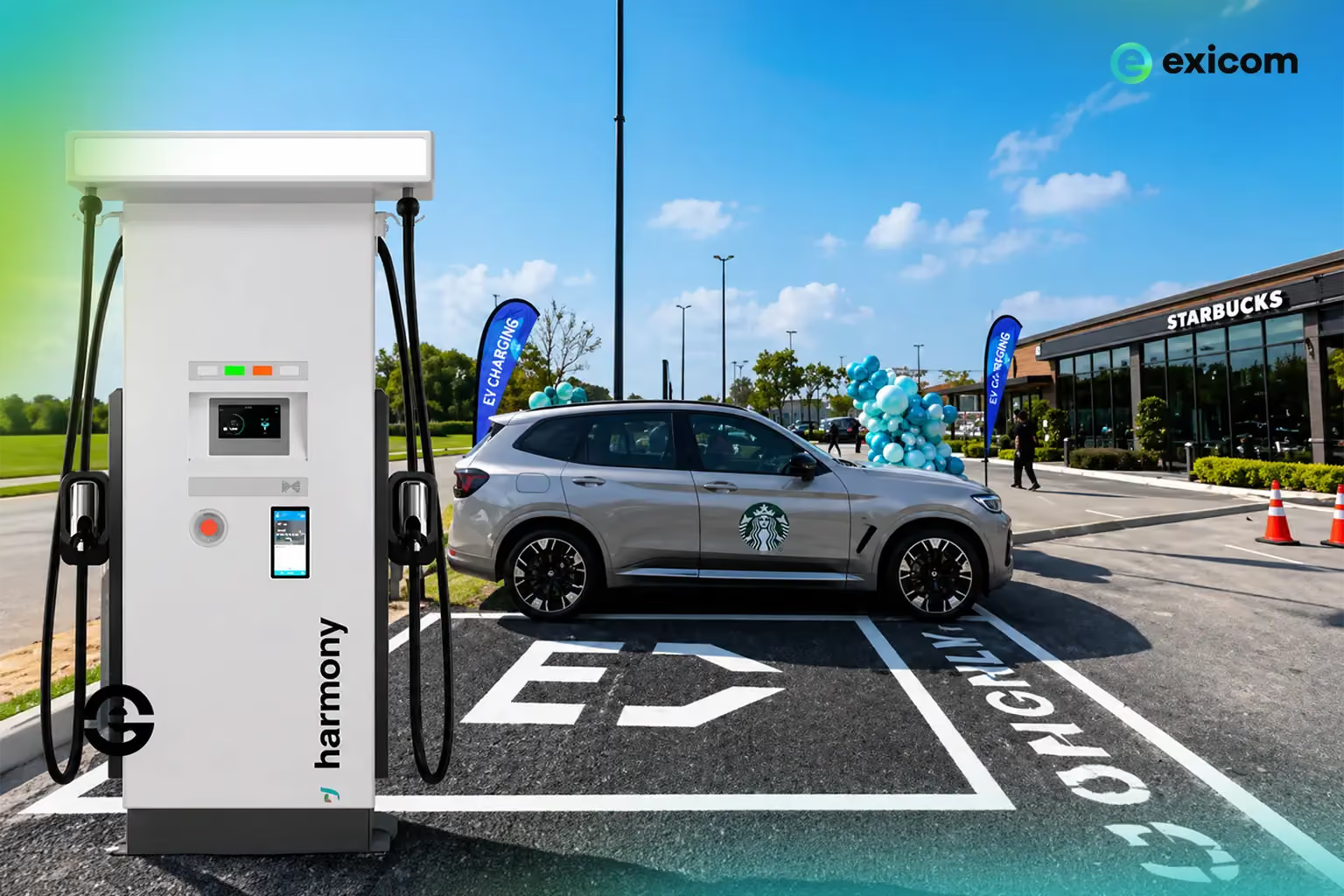
Heavy-duty, DC fast chargers transform the equation by rapidly deploying power to single or multiple vehicles concurrently. The impact of this speed is felt across the ecosystem:
- For Drivers: Minimizes range anxiety and drastically reduces downtime during transit.
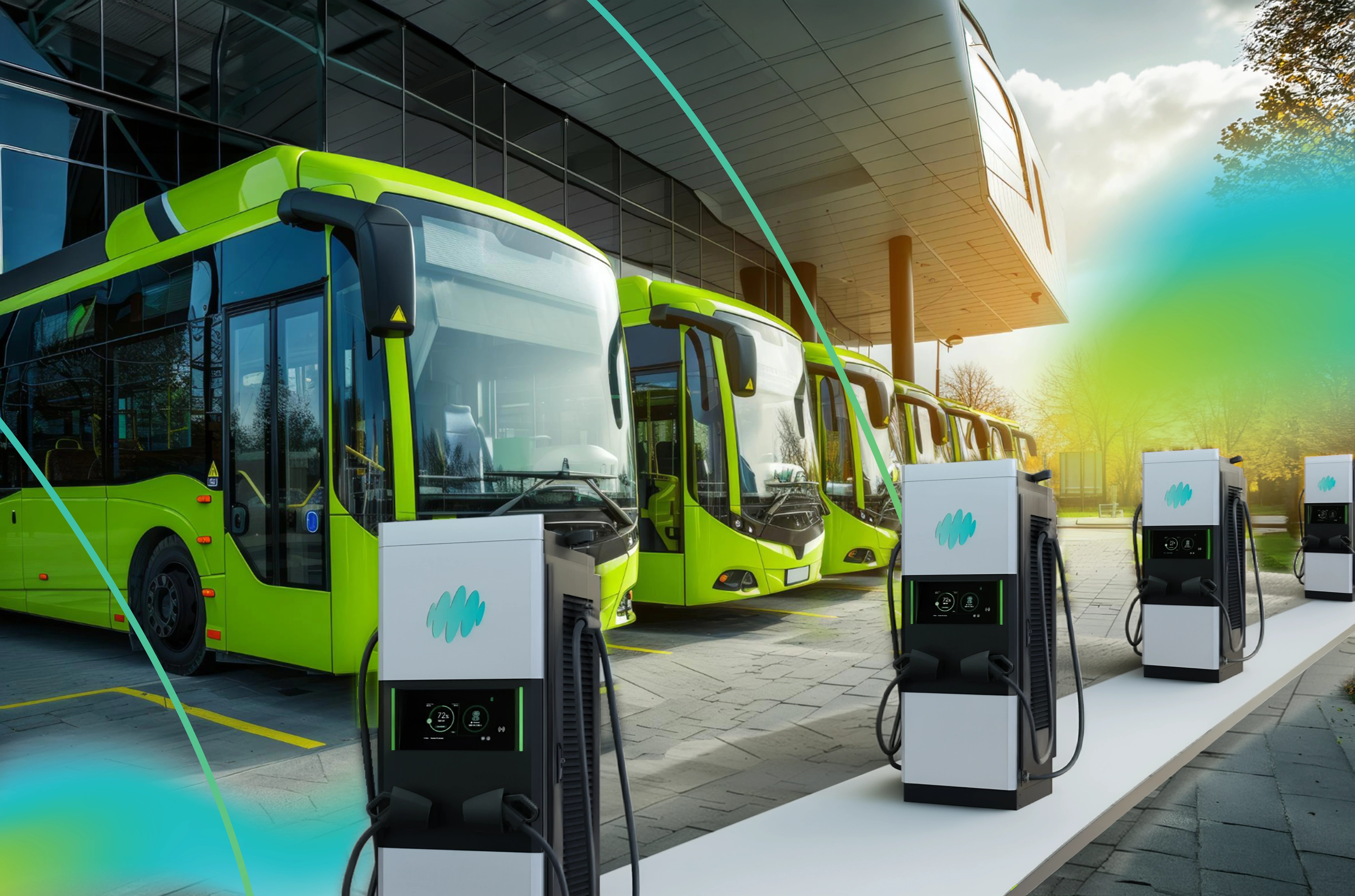
- For Fleet Operators: Keeps commercial vehicles on the road, maximizing operational uptime.
- For CPOs: Increases station throughput, boosting revenue and operational efficiency.
Fostering Grid Resilience Through Smart Load Management
As EV adoption scales, the localized demand on the electrical grid intensifies. A cluster of vehicles charging simultaneously during peak hours can cause severe voltage fluctuations, localized overloads, and exorbitant energy costs due to Time-of-Use (TOU) tariffs.
This is where smart load management becomes critical. Smart EV charging solutions act as a buffer between the vehicle and the grid.
How Smart Chargers Protect the Grid:
- Demand Response: Smart chargers communicate with grid operators to adjust charging speeds based on real-time grid capacity.
- Peak Shaving & Load Balancing: They distribute available power intelligently across multiple connected vehicles, ensuring the site never exceeds its maximum power capacity.
- Renewable Integration: Advanced systems can sync charging cycles with peak renewable energy generation, utilizing solar or wind power when it is most abundant.
Elevating the EV Charging Experience
In the early days of e-mobility, charging an EV was a highly manual, opaque process. Users lacked visibility into charging status, pricing, or station availability.
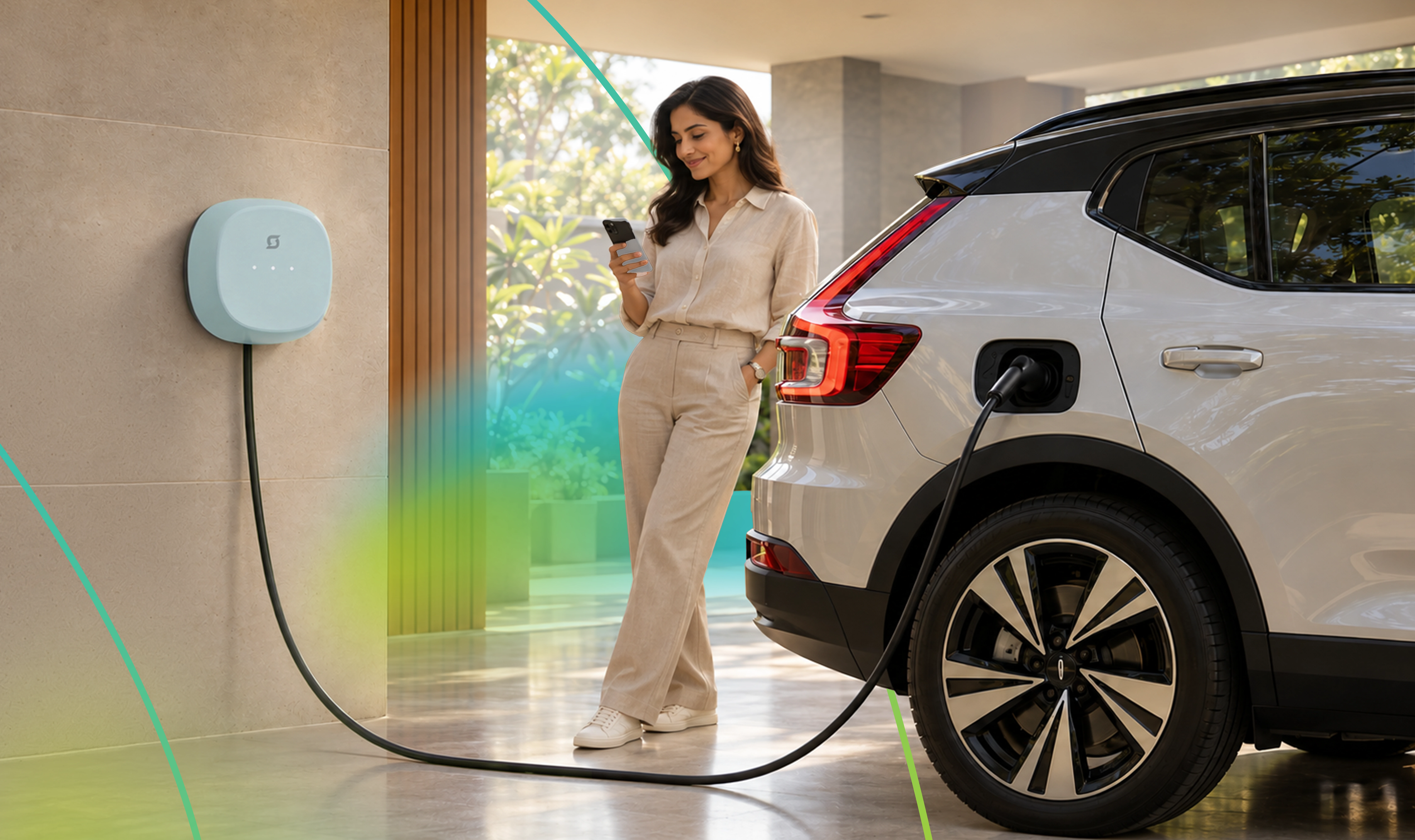
Today, smart chargers paired with robust Charging Management Software (CMS) redefine user convenience. Features like remote start/stop, automated billing, and mobile app integration allow users to schedule charging during off-peak hours to save money. For operators, intuitive dashboards provide real-time analytics on energy consumption, hardware health, and user behavior, turning a manual utility into a seamless, automated service.
Technology Shaping the Future of E-Mobility
The EV infrastructure landscape is advancing rapidly. The convergence of hardware and intelligent software is paving the way for next-generation capabilities:
- AI and Predictive Analytics: Machine learning algorithms forecast charging demand and flag potential hardware failures before they occur, ensuring maximum station uptime.
- Wireless Charging: Inductive charging technologies are currently being refined, promising a future where physical cables are entirely eliminated from the daily routine.
- Vehicle-to-Grid (V2G): EVs will soon act as mobile energy storage units, feeding power back into the grid during peak demand to stabilize local infrastructure.
Conclusion
The complexities of building a global e-mobility network are substantial, but they are not insurmountable. By moving away from fragmented, "dumb" hardware and embracing OCPP-compliant, smart EV charging solutions, the industry is effectively resolving compatibility issues, grid limitations, and speed barriers. As fast-charging technologies and smart load management continue to evolve, they will provide the scalable, resilient foundation necessary to power the future of transportation.
Frequently Asked Questions
Lorem ipsum dolor sit amet, consectetur adipiscing elit, sed do eiusmod tempor incididunt ut labore et dolore magna aliqua. Ut enim ad minim veniam, quis nostrud exercitation ullamco laboris nisi ut aliquip ex ea commodo consequat. Duis aute irure dolor in reprehenderit in voluptate velit esse.
Lorem ipsum dolor sit amet, consectetur adipiscing elit, sed do eiusmod tempor incididunt ut labore et dolore magna aliqua. Ut enim ad minim veniam, quis nostrud exercitation ullamco laboris nisi ut aliquip ex ea commodo consequat. Duis aute irure dolor in reprehenderit in voluptate velit esse.
Lorem ipsum dolor sit amet, consectetur adipiscing elit, sed do eiusmod tempor incididunt ut labore et dolore magna aliqua. Ut enim ad minim veniam, quis nostrud exercitation ullamco laboris nisi ut aliquip ex ea commodo consequat. Duis aute irure dolor in reprehenderit in voluptate velit esse.
Lorem ipsum dolor sit amet, consectetur adipiscing elit, sed do eiusmod tempor incididunt ut labore et dolore magna aliqua. Ut enim ad minim veniam, quis nostrud exercitation ullamco laboris nisi ut aliquip ex ea commodo consequat. Duis aute irure dolor in reprehenderit in voluptate velit esse.
Lorem ipsum dolor sit amet, consectetur adipiscing elit, sed do eiusmod tempor incididunt ut labore et dolore magna aliqua. Ut enim ad minim veniam, quis nostrud exercitation ullamco laboris nisi ut aliquip ex ea commodo consequat. Duis aute irure dolor in reprehenderit in voluptate velit esse.