


How to Save on Electricity Bills If You Have an Ev Charger?
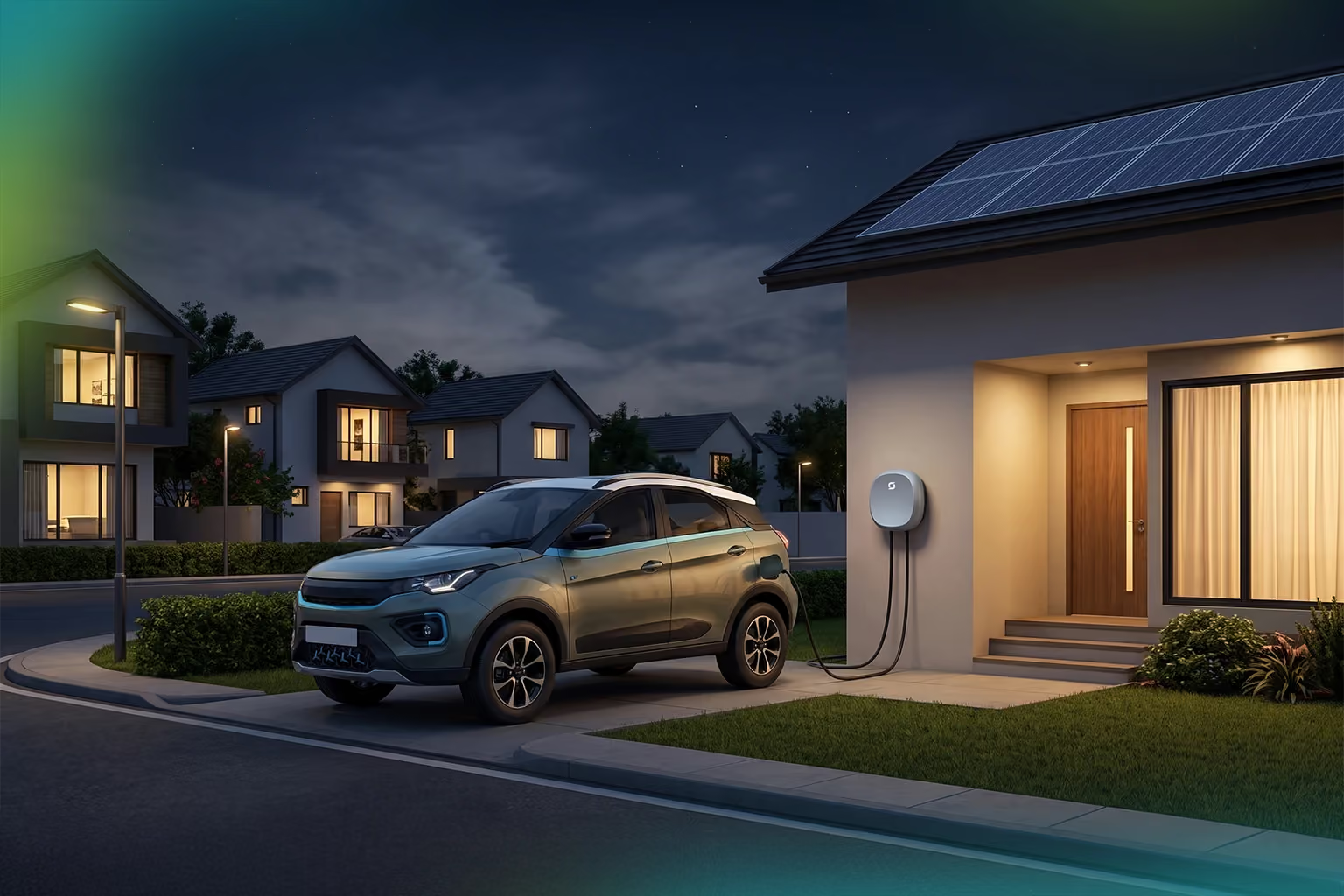
Rahul is staring at his phone, totally shocked. He thought switching his petrol car to a vehicle (EV) would save him money. His first electricity bill at home just arrived and it has gone really high.
By plugging his car into the domestic grid, he accidentally pushed his entire household into the highest, most expensive utility tariff slab.
Rahul opens his calculator. He is realizing that home EV economics isn't just about plugging in; it’s a strategic puzzle of battery capacity, DISCOM slab rates, and smart timing.
Over the next few days, Rahul discovers that every decision, from when he charges to how his home is connected to the grid, can significantly change what it costs to own an EV.
What are the key reasons behind sudden electricity bill increase?
Your monthly electricity bill depends on several factors, including your state's tariff structure, your home's sanctioned load, and when you choose to charge. Understanding these variables helps you avoid unnecessary costs from day one.
There is a catch that shocked Rahul: slab inflation. Indian residential electricity billing is progressive.
If your home usually uses 300 units of power a month (at, say ₹4.50 per unit) adding 250 units for EV charging makes it 550 units. In cities like Bengaluru or Mumbai, this makes you pay the rate triggering the highest slab rate, which can be ₹9.62 or ₹10.70 per unit. Your running cost per km climbs from ₹1.41 to over ₹1.80. Local tariff structures are key to mastering EV economics.
Unfortunately, electricity tariffs aren't the only factor determining your monthly charging costs. Even if you stay within affordable slabs, your home's electrical capacity can create a completely different set of expenses.
Will my home's sanctioned load support faster charging, or will it lead to grid penalties?
Think of your sanctioned load as the maximum amount of electricity your DISCOM allows your home to draw at any given time. Every appliance in your house shares this limit, including your EV charger. Most Indian apartments have a sanctioned load of 3 kW to 5 kW.
For example, if your air conditioner, geyser, washing machine, and EV charger all run simultaneously, your home's total electricity demand can exceed the approved limit surprisingly quickly. Depending on your DISCOM's regulations, repeatedly exceeding your sanctioned load may trip your main breaker or attract additional load-related charges.
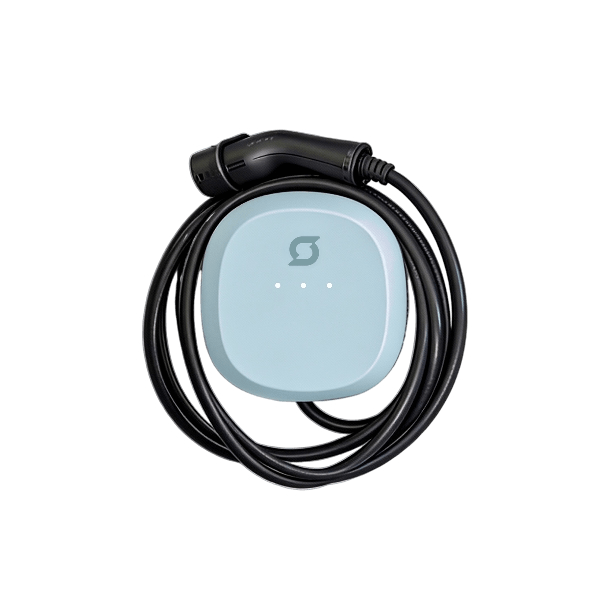
Upgrading your sanctioned load to a three-phase connection requires paying a hefty security deposit and undergoing tedious paperwork. Instead, smart home chargers like the Exicom Spin Air offer a seamless alternative. Its built-in Dynamic Load Management (DLM) automatically monitors your home's real-time electricity demand. When household appliance usage spikes, the charger dynamically scales down the power sent to your EV, preventing overloads and saving you from costly grid penalties.
Keeping your home's electrical load under control prevents technical issues and penalties. But even if your electrical setup is perfect, the time you choose to charge can make a noticeable difference to your monthly bill.
Efficient Charging. Everyday.
Spin Air 2 AC Charger
Compact. Smart. Reliable. 7.4 kW charging solution for homes, offices and more.
Explore Product →- ✓7.4 kW Power Output
- ✓Smart & Connected
- ✓Safe & Reliable
- ✓Compact Wallbox Design
How do Time-of-Day (ToD) tariffs impact my monthly electricity bill?
Many state regulators (including those in Delhi, Maharashtra, and Karnataka) use Time-of-Day (ToD) tariffs to shift energy demand away from peak hours. Under this system, electricity rates fluctuate depending on the time of day:
.jpg)
Plugging your car in right when you get home from work means you are paying premium peak rates. For someone like Rahul, simply scheduling charging after 10 PM instead of plugging in immediately after work could reduce annual charging costs by several thousand rupees, depending on driving habits and local tariff structures.
Installing a Rooftop Solar can lead to peak savings even in peak hours
While charging during off-peak hours lowers your monthly bill, another long-term strategy is to generate a portion of your own electricity through rooftop solar. Combining rooftop solar with a home EV charger can significantly improve the long-term economics of EV ownership under Indian conditions, as it offsets the additional 250 to 450 units of electricity your EV consumes, effectively neutralizing the jump into premium progressive tariff slabs (₹8 to ₹11 per unit).
A standard 3 kW rooftop solar system generates around 360 units of electricity every month, enough to offset a significant portion of the additional energy consumed by an EV. Under India's net-metering system, excess daytime solar generation is exported to the grid in exchange for billing credits.
Those credits can later offset electricity used for overnight charging, helping households avoid the impact of higher tariff slabs. Depending on your system size, driving habits, and local electricity rates, combining rooftop solar with home EV charging can significantly shorten the overall payback period.
While solar power provides the foundation for low-cost energy, achieving maximum ROI requires more than just generation.
The key to truly neutralizing high tariff slabs lies in smart management, using technology to ensure your car draws power only when it is most economical for your specific household grid.
How can I optimize charging schedules to leverage the lowest electricity rates?
To slash your monthly charging expenses without changing your daily driving habits, use these two simple strategies:
- Automate Off-Peak Charging: Many states offer Time-of-Day (ToD) tariffs with discounts of 15% to 20% during off-peak hours (typically 10 PM to 6 AM). Simply scheduling your car to charge overnight avoids premium peak surcharges and saves you thousands of rupees annually.
- Install a Dedicated EV Connection: Many state DISCOMs offer separate EV-only meters with subsidized flat rates (such as ₹4.50 to ₹7.00 per unit depending on your state). This dedicated line completely isolates your EV charging from your main household meter, stopping progressive slab inflation in its tracks.
While optimizing your connection and tariff usage provides a solid foundation, achieving consistent long-term savings requires hardware that can actively manage these complex variables for you.
Which home EV charger features actually help reduce electricity costs?
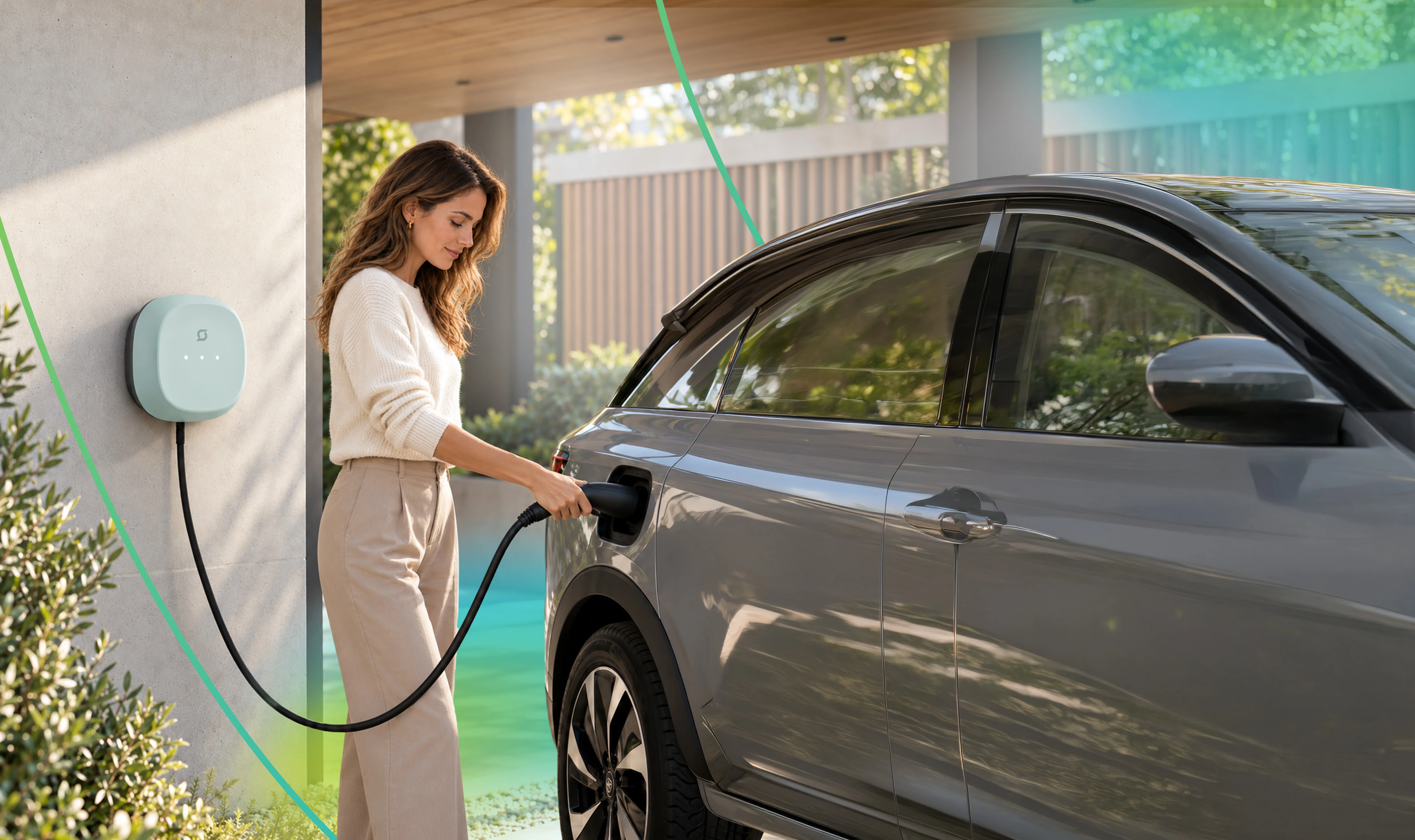
To secure long-term savings, you need intelligent charging hardware that actively communicates with your home’s electrical network. Instead of manually tracking tariffs or worrying about electrical limits every day, smart home chargers can automate these decisions. The Exicom Spin Air combines several features designed to make home charging more efficient and predictable.
.avif)
By the time Rahul reviewed his next electricity bill, he had learned that affordable home charging was about understanding how his home consumed electricity. Charging during off-peak hours, staying within sanctioned load limits, and planning for future solar integration helped him unlock the savings he expected from electric mobility. Smart chargers like the Exicom Spin Air simply automate these decisions, making home charging more predictable, efficient, and cost-effective without requiring homeowners to constantly monitor their electricity usage.
Frequently Asked Questions
Lorem ipsum dolor sit amet, consectetur adipiscing elit, sed do eiusmod tempor incididunt ut labore et dolore magna aliqua. Ut enim ad minim veniam, quis nostrud exercitation ullamco laboris nisi ut aliquip ex ea commodo consequat. Duis aute irure dolor in reprehenderit in voluptate velit esse.
Lorem ipsum dolor sit amet, consectetur adipiscing elit, sed do eiusmod tempor incididunt ut labore et dolore magna aliqua. Ut enim ad minim veniam, quis nostrud exercitation ullamco laboris nisi ut aliquip ex ea commodo consequat. Duis aute irure dolor in reprehenderit in voluptate velit esse.
Lorem ipsum dolor sit amet, consectetur adipiscing elit, sed do eiusmod tempor incididunt ut labore et dolore magna aliqua. Ut enim ad minim veniam, quis nostrud exercitation ullamco laboris nisi ut aliquip ex ea commodo consequat. Duis aute irure dolor in reprehenderit in voluptate velit esse.
Lorem ipsum dolor sit amet, consectetur adipiscing elit, sed do eiusmod tempor incididunt ut labore et dolore magna aliqua. Ut enim ad minim veniam, quis nostrud exercitation ullamco laboris nisi ut aliquip ex ea commodo consequat. Duis aute irure dolor in reprehenderit in voluptate velit esse.
Lorem ipsum dolor sit amet, consectetur adipiscing elit, sed do eiusmod tempor incididunt ut labore et dolore magna aliqua. Ut enim ad minim veniam, quis nostrud exercitation ullamco laboris nisi ut aliquip ex ea commodo consequat. Duis aute irure dolor in reprehenderit in voluptate velit esse.
.webp)