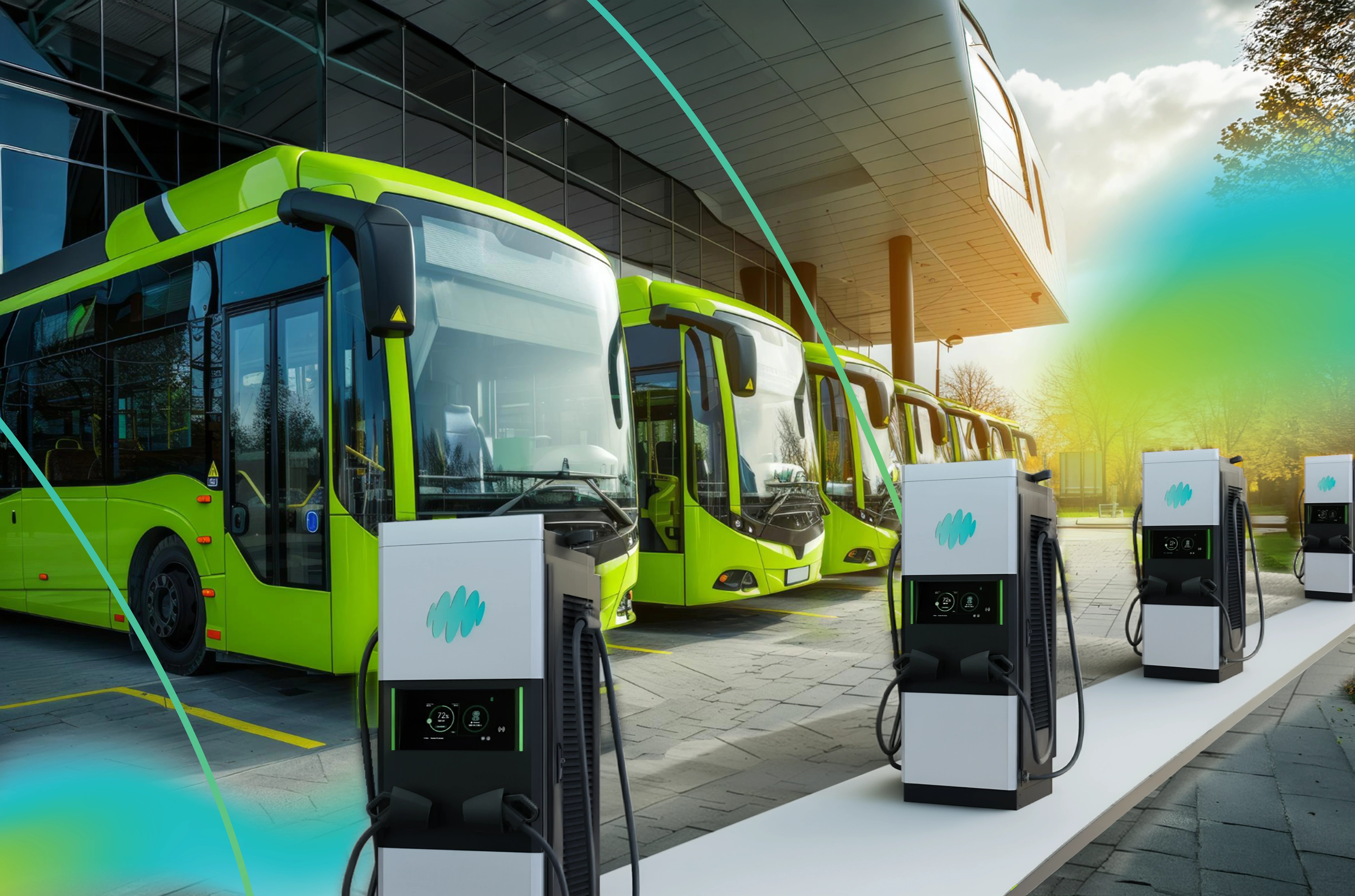



EV-Ready Buildings 2026: Why Developers Can’t Ignore Charging Anymore
EV-Ready Buildings in 2026: Why Properties Can’t Ignore Charging Anymore
A premium corporate tenant is scouting for 50,000 sq. ft. of Grade-A office space. Your building has the location, the glass facade, and the LEED certification. Butthe deal falls through. Why? Because the tenant’s global sustainability mandate requires 20% of their fleet to be electric by next year, and your basement lacks thetransformer capacity to support even five rapid chargers.
In 2026,property owners are discovering that "location" has a new neighbor:"Power." If your building can’t fuel the cars your tenants drive, itsimply isn't in the race.
Electric vehicles in India are no longer niche. They’re becoming mainstream mobility solutions. By mid-2025, there were over 3.2 million registered EVs onIndian roads, yet public charging infra struggles to keep pace with adoption.
That said,electric vehicles are no longer a niche category in India. Adoption is risingacross two-wheelers, passenger cars, and commercial fleets. The growth issupported by India’s participation in the global EV30@30 campaign, whichtargets 30% electric vehicle sales by 2030. This development is directly influencing how buildings are planned, evaluated, and valued. This imbalance between EV growth and charging points underlines a fundamental shift: charging will increasingly happen where vehicles idle most - at homes, workplaces,offices, hotels, and campuses.
By 2026, EV readiness will influence property relevance in very practical ways. Buildings that plan early will remain competitive. Buildings that delay will face higher retrofit costs, tenant dissatisfaction, and declining appeal.
Regulation Is Making EV Readiness Non-Negotiable
EV chargingis no longer voluntary infrastructure. It is moving into building codes.National EV charging guidelines recommend at least 20% EV-ready parking in new developments, and states like Delhi and Tamil Nadu have already embedded EV provisions into building rules. At the same time, lakhs of charging points willbe required to support adoption. For developers, the message is clear. EV readiness is shifting from optional amenity to regulatory baseline, anddelaying it only increases cost and compliance risk.
Beyond compliance, the real question for asset owners is this: how does EV readiness translate intolong-term asset value and financial performance?
Sustainability as the new valuation benchmark
Sustainability has become closely tied to property strategy. ESG (Environmental, Social, and Governance) performance influences asset valuation, tenant demand, financing discussions, and brand credibility.
Across India, green-certified buildings are gaining ground in both luxury and mainstream real estate. A report by the World Green Building Council shows these properties command higher sales prices. This value is driven by superior rental rates, lower operating costs,and stronger occupancy levels.
Buyer preferences support this trend. According to Knight Frank, around 27% of buyers prefer greener homes and are willing to paya premium for them. Sustainability, therefore, translates directly into market demand. Because buyers increasingly link sustainability with long-term asset performance and lower operational risk.
EV chargin gfits naturally into this equation. It supports sustainable mobility andcontributes to the clean energy transition by enabling lower-emission transportchoices. Using smart charging technology helps buildings move closer to their green targets while managing energy use responsibly.
From along-term perspective, sustainability is a performance indicator of howbuildings operate over decades, not a marketing narrative.
The real estate economics of EV readiness
EV charging delivers tangible economic benefits for property owners and developers. The impact shows up across asset valuation, tenant behavior, revenue flexibility,and long-term risk management.
Higher Asset Durability and Exit Positioning
India had over 4 million registered EVs on the road by 2024, with annual sales growth exceeding 40 percent in key urban passenger segments. EV ownership is concentrated in metros such as Bengaluru, Delhi NCR, Mumbai and Hyderabad, where premium real estatecompetes for the same customer base. As penetration in premium catchments moves toward 20 percent over the next five to seven years, electrical capacity becomes a structural differentiator. Buildings without transformer head room or planned load distribution will require upgrades that institutional buyer sincreasingly treat as deferred capex risk during due diligence.
StrongerLeasing Velocity and Occupancy Stability
Globally, 60–70 percent of EVcharging occurs at home or work, and India is following a similar usagepattern. That gap shifts charging demand toward destination assets. Inresidential markets, EV-ready parking is gradually becoming a buyer filter,particularly in projects priced at the upper-middle and premium tiers. In Grade A offices, multinational tenants with fleet electrification targets now evaluate charging availability during site selection. Reducing charging friction reduces churn. Lower churn improves occupancy stability.
Revenueand monetisation flexibility
EV charging converts parking from static allocation into managed utility infrastructure. Commercial modelsinclude per-kWh billing, subscription plans, fleet contracts and differentiated parking premiums. In mixed-use and retail assets, studies show that EV drivers typically dwell 20–40 percent longer when charging, increasing the probability of higher in-mall spending. Even when charging revenue itself is modest, higher parking utilisation and extended dwell time enhance overall asset productivity over a 10–15 year horizon.
Lower long-term risk
Retrofitting electrical capacity in operational buildings can cost 2 to 3 times more than provisioning during construction due to shut downs, cable re-routing and fire safety compliance upgrades. As EV penetration compounds, reactive upgrades become disruptive and capital-intensive. Early load modelling materially reduces future capital shocks and preserves return on invested capital.
Sustainability as a Valuation Lever
Sustainability is increasingly embedded in how Indian real estateis priced and leased. India now has over 10 billion sq. ft. of registered greenbuilding footprint, making it one of the largest green building markets globally. In prime office micro-markets, certified green buildings often command 5–10% rental premiums and report stronger occupancy stability,particularly among multinational tenants with ESG reporting mandates.
Knight Frank surveys indicate thatover 25% of Indian homebuyers actively prefer sustainable homes, with manywilling to pay more for lower lifecycle risk and operating efficiency.
EV charging directly strengthens this sustainability profile. Transportation accounts for a significant share ofurban emissions, and corporates transitioning fleets to electric increasinglyrequire workplace charging access. For residential and commercial assets,enabling EV mobility is no longer symbolic. It supports tenant ESG goals,improves leasing competitiveness, and reinforces long-term asset resilience.
How different property segments are being impacted
As EV adoption spreads across use cases, different property segments experience its impact in different ways.Understanding these differences is important for designing a charging infrastructure that works in practice.
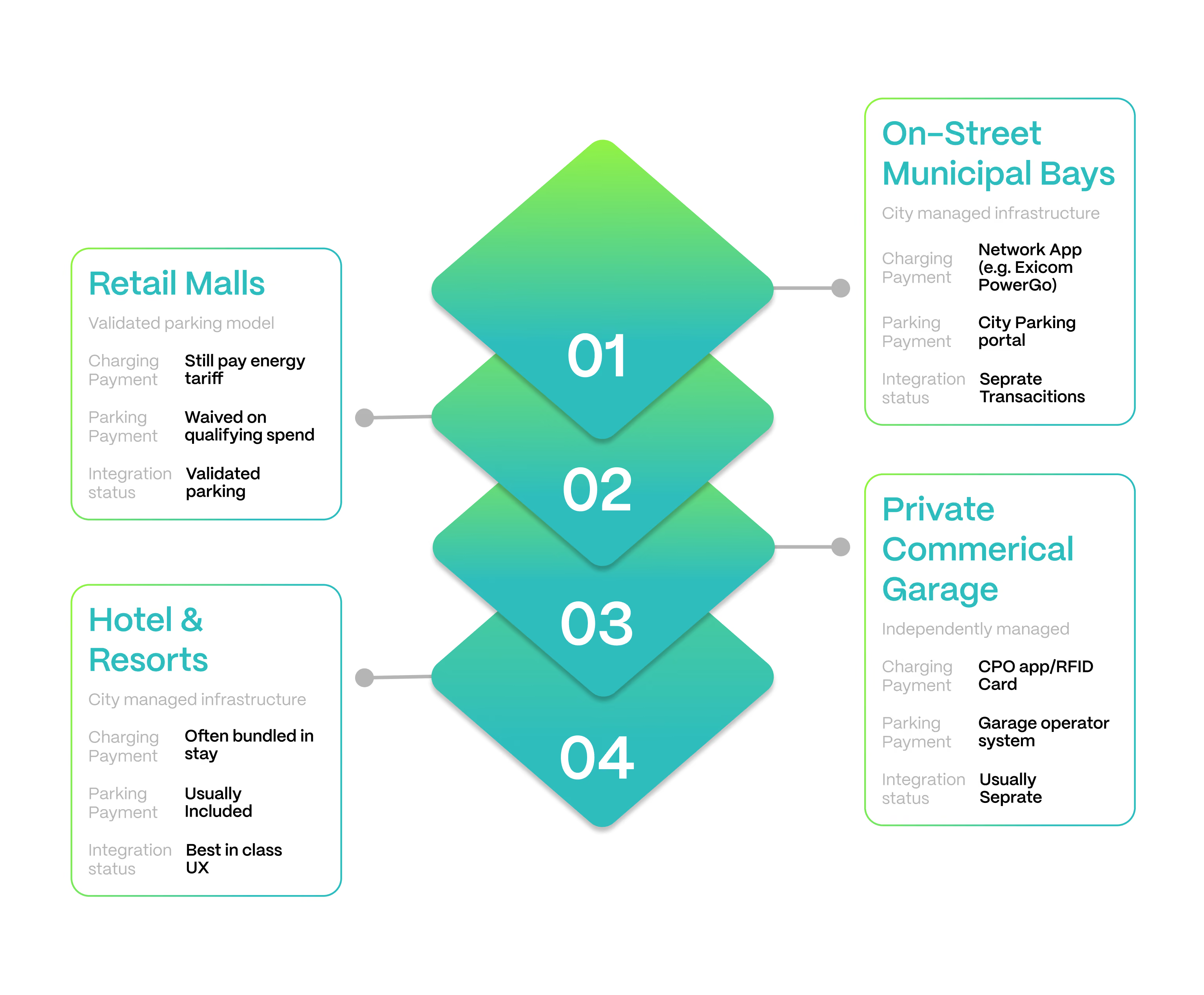
1. Residential developments & apartments
Residentialsocieties face growing pressure from residents adopting EVs faster thaninfrastructure upgrades. Common challenges include:
- Limited power availability
- Space constraints
- Billing confusion, and
- Lack of technical expertise within RWAs.
As aresult, EV-ready wiring is becoming a baseline expectation in new projects. Shared charging hubs and slow AC chargers are well-suited to overnight parking patterns. Smart meters and smart charging technology help manage fair billing and prevent overload.
2. Commercial offices & workplaces
In office environments, EV charging is closely linked to employee convenience and fleet operations. Employee-owned EVs, company fleets, and visitor charging coexist within the same site.
Corporates ustainability mandates add another layer of pressure. Many organizations now expect their workplaces to support EV usage as part of broader ESG commitments.
Here,critical power systems and centralized management platforms become essential. EV readiness in offices is more about operational stability and ESG accountability.
3. Hotels,hospitals, and educational campuses
These properties share one common trait: longer vehicle dwell times. This makes them well-suited for overnight or extended-duration charging.
Charging in these environments supports visitor convenience and strengthens ESG positioning, especially for institutions with public-facing brands. At the sametime, safety, uptime, and ease of management are essential due to the nature of these facilities.
These sites usually use battery energy storage systems (BESS) to manage peak demand. EV readiness improves convenience, brand perception, and operational confidence.
4. Malls and mixed-use developments
Malls approach EV charging differently. For them, charging supports footfall, parking monetisation, and brand positioning rather than direct revenue.
Challenges include peak-hour power limitations, space constraints, payment integration,and zero tolerance for downtime. Poor execution affects both operations and brand trust.
This iswhere smart charging technology, reliable power infrastructure, and tightly managed integrated energy solutions become essential.
While segment-specific needs vary, every property faces the same technical hurdle: moving beyond basic hardware to a fully engineered environment.
From “We have a charger” to “We’re engineered for EVs”
There is a clear difference between installing chargers and designing EV-ready buildings.Key design elements of a future-ready EV network include:
- Load planning and transformer capacity to support gradual growth in EV adoption without repeated upgrades
- Smart billing systems, including RFID or app-based access, for transparent usage tracking and fair cost allocation
- Fire safety systems and ventilation designed specifically for EV charging areas
- Conduits toevery parking bay, allowing chargers to be added easily as demand increases
- Intelligent load balancing todistribute power efficiently and avoid system overload.
When combined, these elements create buildings that scale with adoption and operate safely in real-world conditions. For buyers and tenants, this approach isbecoming the expected standard.
How Exicom One helps buildings become EV-ready
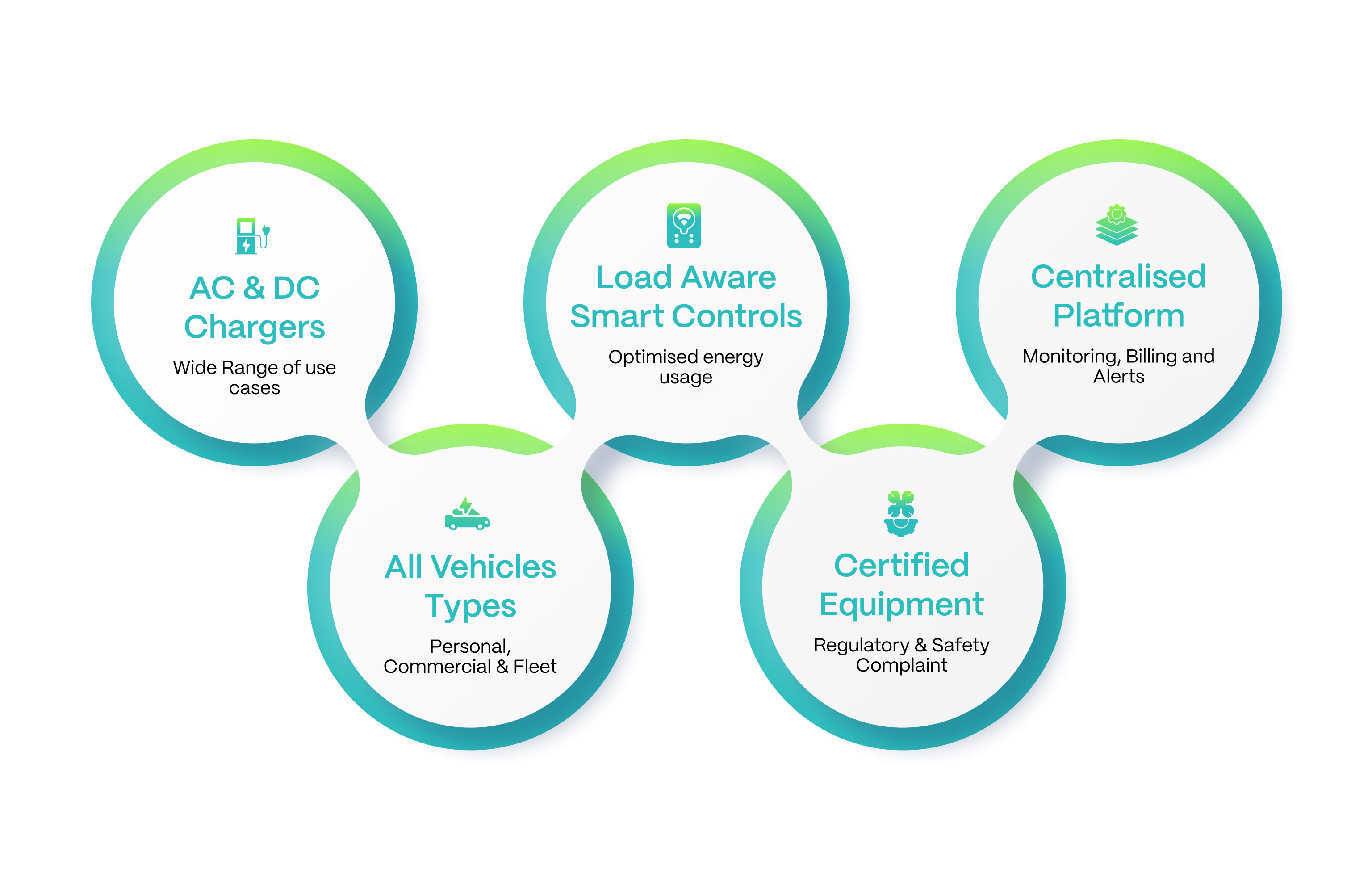
At Exicom,we’ve developed Exicom One as a comprehensive charging ecosystem designed to support EV adoption across properties of every scale.
Exicom One provides end-to-end EV charging solutions by bringing together certified hardware, intelligent energy management, and scalable deployment models. We’vedesigned it for residential communities, commercial campuses, hospitality,healthcare, and educational environments, where reliability and long-term performance matter.
With Exicom One, we help property owners:
- Deploy AC and DC chargers for a wide range of use cases
- Optimise energy usage through load-aware smart controls
- Manage charging through a centralised platform, covering monitoring, billing,access control, and alerts
- Support multiple vehicle types, including personal, commercial and fleets.
- Meet regulatory and safety requirements through certified equipment and professional commissioning.
We support the entire deployment lifecycle. From site assessment and electrical planning to installation and ongoing maintenance, our focus stays on building charging infrastructure that can scale reliably over time. Exicom One helps future-proof properties while improving tenant experience and strengthening asset value.
Conclusion : EV readiness will define property relevance
EV chargingis now an essential building infrastructure. Properties that plan today gain stronger ESG positioning, better valuations, and higher occupancy stability.
Those who delay will face rising retrofit costs and declining competitiveness.
Developers and asset owners are no longer just building structures. They are enabling sustainable mobility and supporting India’s clean energy transition through everyday infrastructure.
In the coming years, EV-ready buildings will not stand out. They will simply be the ones that remain relevant.
Frequently Asked Questions
Lorem ipsum dolor sit amet, consectetur adipiscing elit, sed do eiusmod tempor incididunt ut labore et dolore magna aliqua. Ut enim ad minim veniam, quis nostrud exercitation ullamco laboris nisi ut aliquip ex ea commodo consequat. Duis aute irure dolor in reprehenderit in voluptate velit esse.
Lorem ipsum dolor sit amet, consectetur adipiscing elit, sed do eiusmod tempor incididunt ut labore et dolore magna aliqua. Ut enim ad minim veniam, quis nostrud exercitation ullamco laboris nisi ut aliquip ex ea commodo consequat. Duis aute irure dolor in reprehenderit in voluptate velit esse.
Lorem ipsum dolor sit amet, consectetur adipiscing elit, sed do eiusmod tempor incididunt ut labore et dolore magna aliqua. Ut enim ad minim veniam, quis nostrud exercitation ullamco laboris nisi ut aliquip ex ea commodo consequat. Duis aute irure dolor in reprehenderit in voluptate velit esse.
Lorem ipsum dolor sit amet, consectetur adipiscing elit, sed do eiusmod tempor incididunt ut labore et dolore magna aliqua. Ut enim ad minim veniam, quis nostrud exercitation ullamco laboris nisi ut aliquip ex ea commodo consequat. Duis aute irure dolor in reprehenderit in voluptate velit esse.
Lorem ipsum dolor sit amet, consectetur adipiscing elit, sed do eiusmod tempor incididunt ut labore et dolore magna aliqua. Ut enim ad minim veniam, quis nostrud exercitation ullamco laboris nisi ut aliquip ex ea commodo consequat. Duis aute irure dolor in reprehenderit in voluptate velit esse.
.webp)