

Do You Have to Pay for Parking When Charging Your EV?(2026 Guide)

Mar 20, 2026
do-you-pay-for-parking-while-charging-an-ev-guide

In 2026, most EV drivers in India and global metros pay for both electricity and parking. Here is how charging fees, parking rates, and idle fees actually work, and how to keep your total stop cost under control.

Charging is a utility service, while parking is a real estate cost. To avoid sticker shock, you must distinguish between energy tariffs, parking hourly rates, and the increasingly common EV idle fees.

The Charging Stop: More Than Just Electricity

You turn your EV into a charging bay because the battery has fallen below expected levels. At that point, the only thing that matters is finding a working EV charger. Luckily, one is free. You pull in, step out, and plug the cable into the car. After a short pause, the screen wakes up and confirms the session has started. Electricity begins moving into the battery. The immediate worry fades.

While the car charges, there isn't much to do except wait. You look around the parking area, mostly out of habit. Near the entrance, there's a board showing the hourly parking rates. It doesn't register immediately. The focus, after all, is on the charger. But standing there for a few minutes, the connection becomes obvious: the charger supplies electricity, but the space is managed real estate.

Quick Context
Understanding the difference between what powers your car and what you pay for the ground beneath it is the first step to controlling your total EV ownership cost. They are billed differently, by different parties, under different regulatory frameworks.

Power vs. Property: Why the Meter Keeps Running

In 2026, the distinction between EV charging vs. parking fee structures has become a critical pain point for drivers. These are not the same bill, even when they appear on the same receipt.

₹15–₹24 /kWh
Current range for public DC fast charging in India. Parking in Tier-1 metros (Delhi, Mumbai, Bangalore) adds an additional ₹50–₹150 per hour on top.
₹15–24
per kWh · DC fast charge (India avg, 2026)
₹50–150
per hour · parking in Tier-1 metro cities
higher monthly cost vs home-only charging

Charging fee vs. parking fee: how they differ

Dimension Charging Fee Parking Fee
What is sold Electricity (Utility) Physical Space (Real Estate)
Pricing unit Kilowatt-hours (kWh) Hours / Minutes
Who sets the price Charge Point Operator (CPO) Property Owner / Municipality
Core driver Infrastructure ROI Land Value Monetisation
Regulated by State Electricity Regulatory Commission Municipal Corporation / Private Owner
Can it be free? Yes (employer or hotel subsidised) Yes (validated by retail spend)

Location Matters: Different Places, Different Bills

Ownership and regulatory frameworks shape how you are billed. In 2026, integration is improving, but manual dual-payments are still common across most charging locations in India.

On-Street Municipal Bays
City-managed infrastructure
Charging paymentNetwork app (e.g. Exicom PowerGo)
Parking paymentCity parking portal
Integration statusSeparate transactions
Private Commercial Garages
Independently managed
Charging paymentCPO app / RFID card
Parking paymentGarage operator system
Integration statusUsually separate
Retail Malls
Validated parking model
Charging paymentStill pay energy tariff
Parking paymentWaived on qualifying spend
Integration statusValidated parking
Hotels & Resorts
Bundled or amenity model
Charging paymentOften bundled in stay
Parking paymentUsually included
Integration statusBest-in-class UX

The "Idle Fee": What Happens After 100%?

Reaching a full charge does not mean the cost stops. To ensure "charger turnover," most networks have now implemented idle-fee EV charging.

2026 Industry Standard
An idle fee is a per-minute penalty (typically ₹2–₹5/min in India) applied after your car stops drawing power but remains plugged in. High-utilisation networks including major Indian CPOs now apply these automatically to manage demand.

How the Idle Fee Timeline Works

  • Charging: Energy tariff active. Battery filling.
  • 100% Reached: Energy charge ends. Grace period begins (typically 5–10 min).
  • Grace Period: No charge. Time to move the car.
  • Idle Fee Starts: ₹2–₹5/min penalty begins. Accumulates until unplugged.

Energy charge vs. idle fee: key differences

Fee Type What it Covers When it Applies Typical Rate (India) Avoidable?
Energy Charge Actual electricity delivered to the battery While the vehicle is drawing power ₹15–₹24/kWh No, this is the fuel cost
Idle Fee Charger occupancy after charging ends After battery is full, vehicle still plugged in ₹2–₹5/min Yes, unplug promptly
Parking Fee Physical parking space rental Entire duration of dwell time ₹50–₹150/hr (metros) Partially (validated parking)
Driver Tip
Set a charging notification on your EV's app. Most connected vehicles and network apps (ChargeX, Exicom PowerGo) push an alert when charging is complete so you can move the car before the idle fee clock starts.

Decoding EV Parking Signs: Avoid the Fine

In 2026, traffic compliance has become automated. Misinterpreting a sign can lead to an e-challan of ₹500 to ₹2,000 depending on the city. These three signs look similar but mean very different things.

Standard
"EV Only"
Only electric vehicles may occupy the space. A petrol or diesel vehicle parked here can be towed, but any EV (charging or not) can use it.
Read Carefully
"EV Charging Only"
The vehicle must be actively drawing power. An EV that has finished charging and remains plugged in may be penalised.
Fine: ₹500–₹2,000 • e-challan in 2026
Do Not Park
No EV / Reserved (Petrol)
This space is reserved for non-electric or specific vehicles. Parking an EV here is treated as illegal parking.
Fine + possible towing in metro cities
Best Option
"Validated Parking: EV"
Parking fee waived upon qualifying retail or hotel spend. You still pay energy tariff, but parking cost is absorbed by the operator.
Savings: ₹50–₹150/hr
2026 Enforcement Alert
Traffic compliance is increasingly automated through CCTV-integrated ANPR systems in Delhi, Mumbai, and Bangalore. Violations at EV charging bays are captured digitally and e-challans are issued without human intervention. The grace period is shorter than you think.

Home vs. Public Charging: The Real Cost Gap

The cost difference between home and public charging is the single most important number in your EV ownership equation. Here is the data for 2026.

Home Utility
HOME CHARGING
₹6–₹10
per unit (kWh) · domestic tariff
Network Infrastructure
PUBLIC DC FAST CHARGING
₹18–₹30
per unit (kWh) · public network
~3× Higher Cost
Total monthly mobility budget impact when relying solely on public charging networks, factoring in both energy tariffs and mandatory parking fees.

Cost per 100 km: All Scenarios Compared

Home Charging
₹130
₹120–₹160
Workplace AC
₹200
₹160–₹240
Public AC Station
₹250
₹200–₹300
DC Fast Charger
₹430
₹360–₹500
Petrol (baseline)
₹800
₹700–₹900
Data Source & Methodology
Energy tariff data from the Central Electricity Authority of India (CEA), 2025–26 tariff orders. Petrol pricing from Ministry of Petroleum & Natural Gas monthly pricing data. Efficiency assumption: 5 km/kWh average for passenger EVs in real-world conditions.

Maximising Value: The Driver's Strategy

Experienced drivers in 2026 use applications like PlugShare or ChargePoint to evaluate the Total Dwell Cost, which is the combined sum of energy, parking, and any idle fees, before choosing a charging location.

  • Validated Parking After Retail Purchase
    Many malls and retail centres in Delhi, Mumbai, and Bangalore now waive parking fees upon a qualifying purchase. The energy tariff still applies, but eliminating ₹100–₹300 in parking saves meaningfully on longer sessions.
  • Charging Bundled Into Hotel Overnight Stays
    Hotels are increasingly including EV charging in their room rates or loyalty programmes. One overnight session at 7.4 kW delivers 60 to 70 kWh, effectively a full tank, with zero incremental cost beyond the room rate.
  • Employer-Subsidised Workplace Charging
    Corporate EV charging programmes often subsidise or fully cover the energy tariff as an employee benefit. For daily commuters, this alone can reduce monthly EV fuel cost to near zero.

Clarity is a Competitive Advantage

As electric mobility scales, customer expectations are shifting toward a "single-click" experience. The most customer-centric operators are those who consolidate parking, energy, and idle components into a single transaction.

"When you understand exactly what you are paying for, and why, the charging stop feels intentional rather than a source of hidden costs. In 2026, transparency is not just a feature; it's the foundation of trust in the EV ecosystem."

In 2026, a full-cost EV charging stop means three separate bills: the energy tariff (what went into your battery), the parking fee (what you paid for the space), and potentially an idle fee (what you paid for overstaying). Master the difference and you control your total dwell cost. Ignore it and every public charge costs more than it should..

Share

Frequently Asked Questions

Do you always have to pay for parking when charging your EV?

Lorem ipsum dolor sit amet, consectetur adipiscing elit, sed do eiusmod tempor incididunt ut labore et dolore magna aliqua. Ut enim ad minim veniam, quis nostrud exercitation ullamco laboris nisi ut aliquip ex ea commodo consequat. Duis aute irure dolor in reprehenderit in voluptate velit esse.
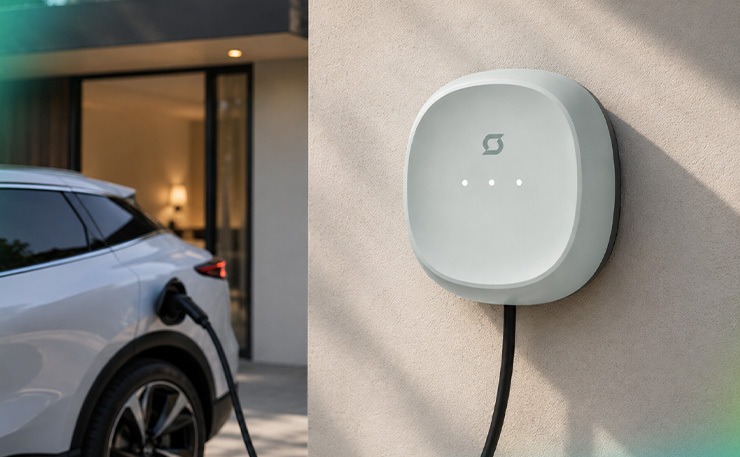
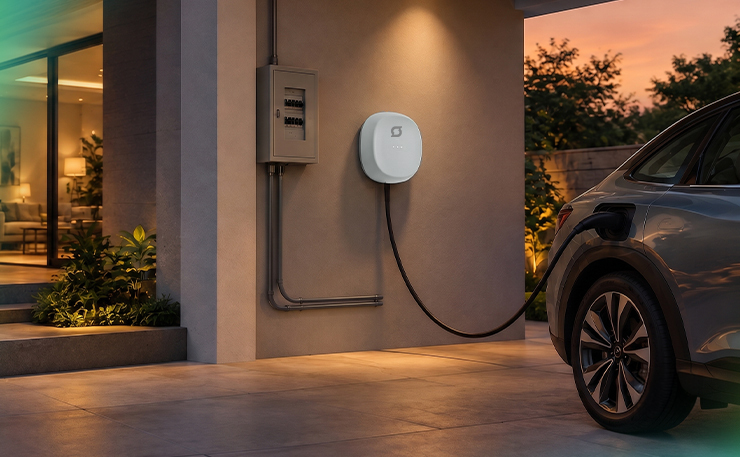
Not always. Retail malls and hotels increasingly offer validated parking: if you spend a qualifying amount at the venue, the parking fee is waived, though you still pay the energy tariff. Corporate workplaces and hotels may bundle charging into overnight stays or employee benefits programmes. On-street municipal bays and private commercial garages almost always charge separately for parking.
What is an EV idle fee and how do I avoid it?

Lorem ipsum dolor sit amet, consectetur adipiscing elit, sed do eiusmod tempor incididunt ut labore et dolore magna aliqua. Ut enim ad minim veniam, quis nostrud exercitation ullamco laboris nisi ut aliquip ex ea commodo consequat. Duis aute irure dolor in reprehenderit in voluptate velit esse.
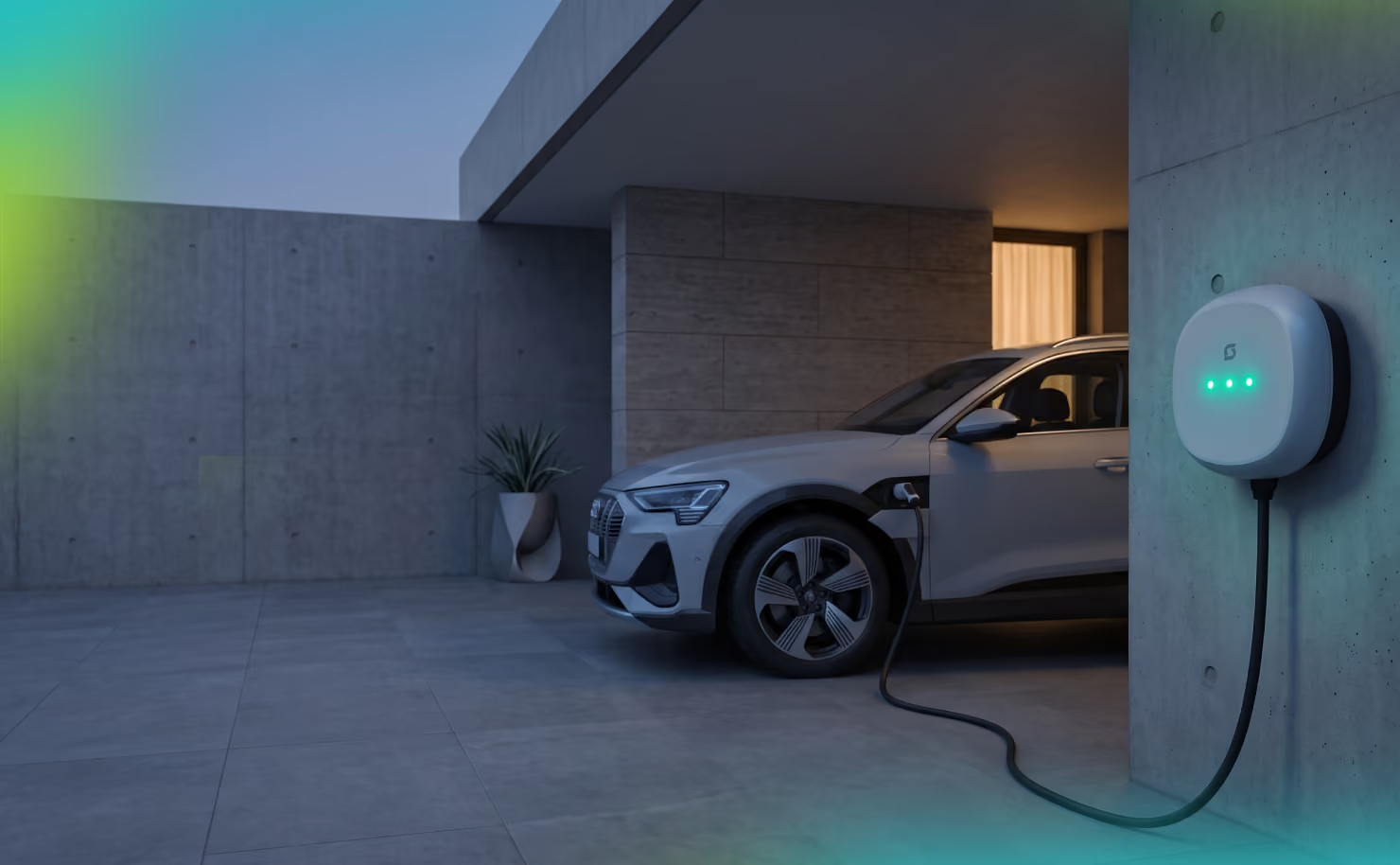
An idle fee is a per-minute penalty applied after your vehicle stops drawing power but remains plugged in. In India, idle fees typically range from ₹2–₹5 per minute. High-utilisation CPO networks use them to encourage charger turnover. To avoid it: set a charging completion notification on your car's app or the CPO's network app, and move your vehicle within the grace period (usually 5–10 minutes after charging completes).
What does public DC fast charging cost in India in 2026?

Lorem ipsum dolor sit amet, consectetur adipiscing elit, sed do eiusmod tempor incididunt ut labore et dolore magna aliqua. Ut enim ad minim veniam, quis nostrud exercitation ullamco laboris nisi ut aliquip ex ea commodo consequat. Duis aute irure dolor in reprehenderit in voluptate velit esse.

Public DC fast charging in India currently ranges from ₹15–₹30 per kWh depending on the network and location. In comparison, home charging costs ₹6–₹10 per unit. When you add metro city parking fees of ₹50–₹150/hour, relying solely on public charging can increase your monthly mobility budget by approximately 3× compared to home charging.
What does "EV Charging Only" on a parking sign mean?

Lorem ipsum dolor sit amet, consectetur adipiscing elit, sed do eiusmod tempor incididunt ut labore et dolore magna aliqua. Ut enim ad minim veniam, quis nostrud exercitation ullamco laboris nisi ut aliquip ex ea commodo consequat. Duis aute irure dolor in reprehenderit in voluptate velit esse.

"EV Charging Only" means the vehicle must be actively drawing power from the charger. An EV that has finished charging and remains plugged in can be fined under this designation. In 2026, enforcement is increasingly automated via ANPR cameras and CCTV integration, with e-challans ranging from ₹500 to ₹2,000 depending on the city.

Lorem ipsum dolor sit amet, consectetur adipiscing elit, sed do eiusmod tempor incididunt ut labore et dolore magna aliqua. Ut enim ad minim veniam, quis nostrud exercitation ullamco laboris nisi ut aliquip ex ea commodo consequat. Duis aute irure dolor in reprehenderit in voluptate velit esse.

Recent Blogs

View all

Inside an EV Charging RMS: How Chargers Are Monitored, Managed, and Optimized at Scale

EV-Ready Buildings 2026: Why Developers Can’t Ignore Charging Anymore

EV vs Petrol Car: EV Charging Cost & 10-Year ROI

We use cookies to make your experience on our website better. By clicking on “Accept All”, you are agreeing for cookies to be used. More information.