


2026 EV Charging Policies That Will Impact India
We’ve spoken about the tech behind EV charging. We’ve spoken about global scale innovations. But what’s happening closer home, is no less important. Yes, scientific breakthroughs have enabled us to achieve reliability, scalability, and modularity in the EV ecosystem. But what actually happens on ground, is largely dependent on policy and implementation.
Policies have been a key driver of EV adoption in India
India’s electric mobility story has unfolded primarily through policy intervention rather than spontaneous market demand. Before organic consumer shifts, the Government of India took a layered approach, first correcting cost disadvantages, then addressing infrastructure gaps, and finally strengthening domestic manufacturing. This phased policy architecture has helped EVs move from niche adoption to mainstream consideration. As a result, cumulative EV sales reached roughly 2.5 million units by 2025, laying the foundation for the government’s long-term objective of achieving 30% EV penetration in new-vehicle sales by 2030. Each policy phase has built upon the previous one, creating continuity rather than isolated interventions.
FAME I and II created initial demand through subsidies
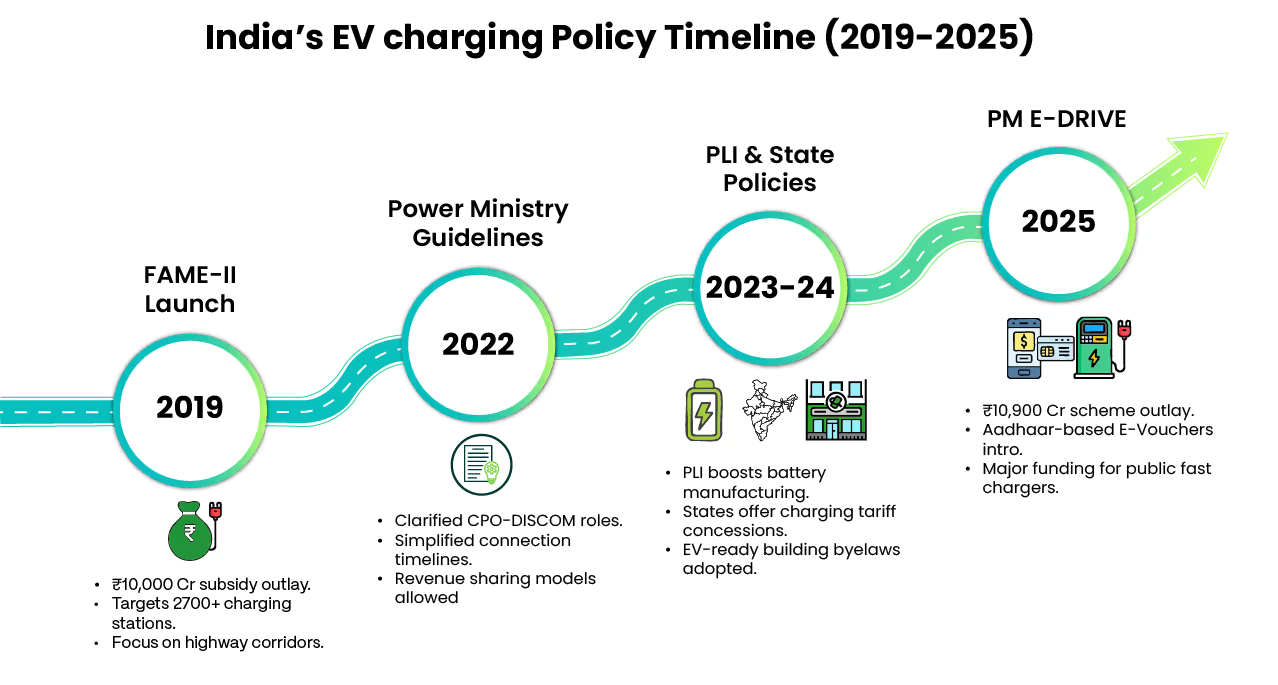
At the centre of early adoption stood the Faster Adoption and Manufacturing of Electric Vehicles (FAME) programme. While FAME I signalled intent, FAME II (2019–2024) delivered scale. With a significantly enhanced budget of ₹11,500 crore, the scheme focused squarely on narrowing the upfront price gap between electric and internal combustion vehicles. Nearly 69% of the total allocation was deployed as direct demand incentives, ensuring that price sensitivity did not stall adoption.
This translated into measurable outcomes. Official data shows that over 1.65 million EVs were supported, spanning two-wheelers, three-wheelers, passenger cars, and electric buses. Crucially, the inclusion of more than 6,300 electric buses for state transport undertakings created a predictable bulk demand, allowing manufacturers to justify investments in production capacity. This demand for stability marked the transition from experimentation to industrial commitment.
Early grants helped develop charging corridors along key highways
Affordability alone could not drive adoption without visible charging access. To counter range anxiety, FAME II also allocated funds specifically for public charging infrastructure along high-traffic corridors. Instead of scattered deployment, the emphasis was on strategic visibility and continuity.
Key outcomes included:
- Charging corridors along Delhi–Chandigarh, Delhi–Jaipur–Agra, and the Mumbai–Pune Expressway
- More than 2,800 charging stations sanctioned across urban centres
- Over 1,500 stations approved along national highways and expressways
These corridors served as confidence builders. By the end of FAME II, more than 9,000 public charging stations had been installed, helping normalise EV travel beyond city limits and encouraging first-time buyers.
PM E-Drive is crucial in scaling from pilots
As FAME II concluded, policy focus moved from adoption to expansion. The PM Electric Drive Revolution in Innovative Vehicle Enhancement (PM E-DRIVE), notified in September 2024, reflects this shift. With an outlay of ₹10,900 crore for FY 2024–26, the scheme targets scale rather than experimentation.
The structure of PM E-DRIVE highlights this intent:
- Targeted subsidies for high-volume two- and three-wheelers
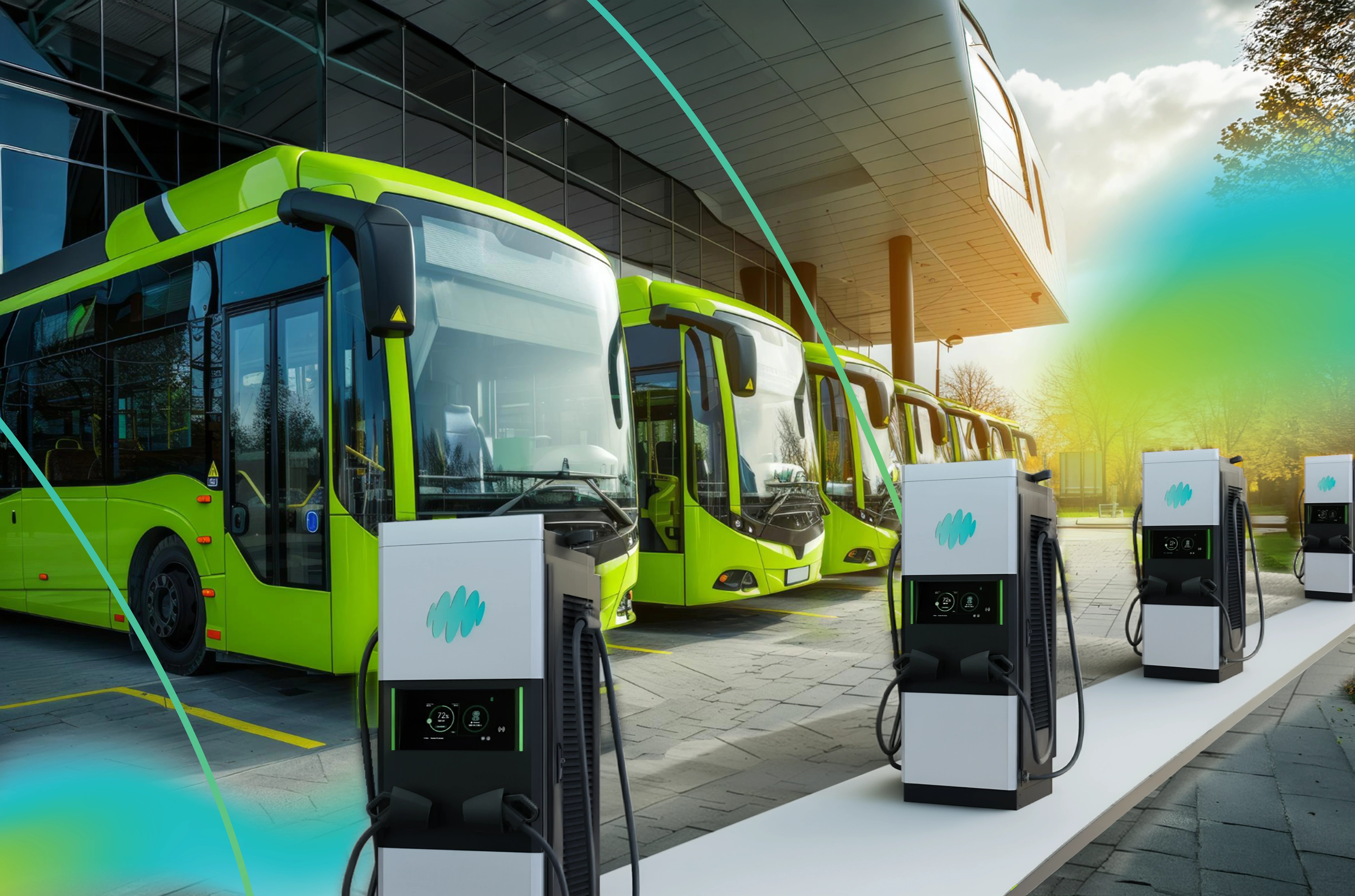
- Significant funding for large-scale electric bus procurement
- Dedicated allocations for emerging segments such as e-trucks and e-ambulances
This proved to be instrumental in electrifying India’s public transport sector, which forms a significant section of India’s EV market today.
Another noteworthy initiative was linking e-truck incentives to mandatory scrappage. This ensured that electrification results in absolute emissions reduction rather than fleet expansion. This design signals a move toward outcome-driven policymaking.
PLIs have boosted the supply chain of EVs
Demand alone cannot sustain an EV transition without domestic manufacturing depth. To address this, the Production-Linked Incentive scheme for Advanced Chemistry Cells was launched with an outlay of ₹18,100 crore. The objective was clear: reduce import dependence and anchor battery manufacturing within India.
By 2025, 40 GWh of capacity had already been awarded to major players, reflecting a strong industry response. This localisation effort aligns India with global trends, where battery costs have fallen sharply as manufacturing capacity expands.
Domestic manufacture of EV batteries has lowered costs.
The impact of localisation is now visible in pricing benchmarks. Competitive bidding outcomes show battery storage costs have fallen sharply, from over ₹10.18 per kWh in 2022–23 to close to ₹2.1 per kWh in recent tenders.
This cost compression has two direct effects:
- OEMs gain flexibility in vehicle pricing
- Dependence on subsidies reduces over time
Together, these shifts bring EVs closer to cost parity with ICE vehicles.
Budget and trade measures have improved economics
As we pointed out in our previous blogs, the initial EV models in India were priced on the higher side due to high production costs. They also had wait times spanning months.
The Union Budget 2025–26 strengthened the EV value chain by lowering core manufacturing costs. Customs duties were fully exempted on critical minerals such as lithium, cobalt, and copper, along with lithium-ion battery scrap. This directly reduced input costs for domestic cell manufacturers and improved pricing stability across the EV supply chain.
In parallel, trade duties were adjusted to support technology access without weakening local assembly. Import duty on CBU motorcycles above 1,600 cc was reduced from 50% to 30%, while duties on CKD units were lowered from 15% to 10%. To secure long-term raw material availability, the budget also allocated ₹410 crore to the Critical Mineral Mission, reinforcing supply-chain resilience for the EV sector.
Power Ministry guidelines are streamlining charging station deployments
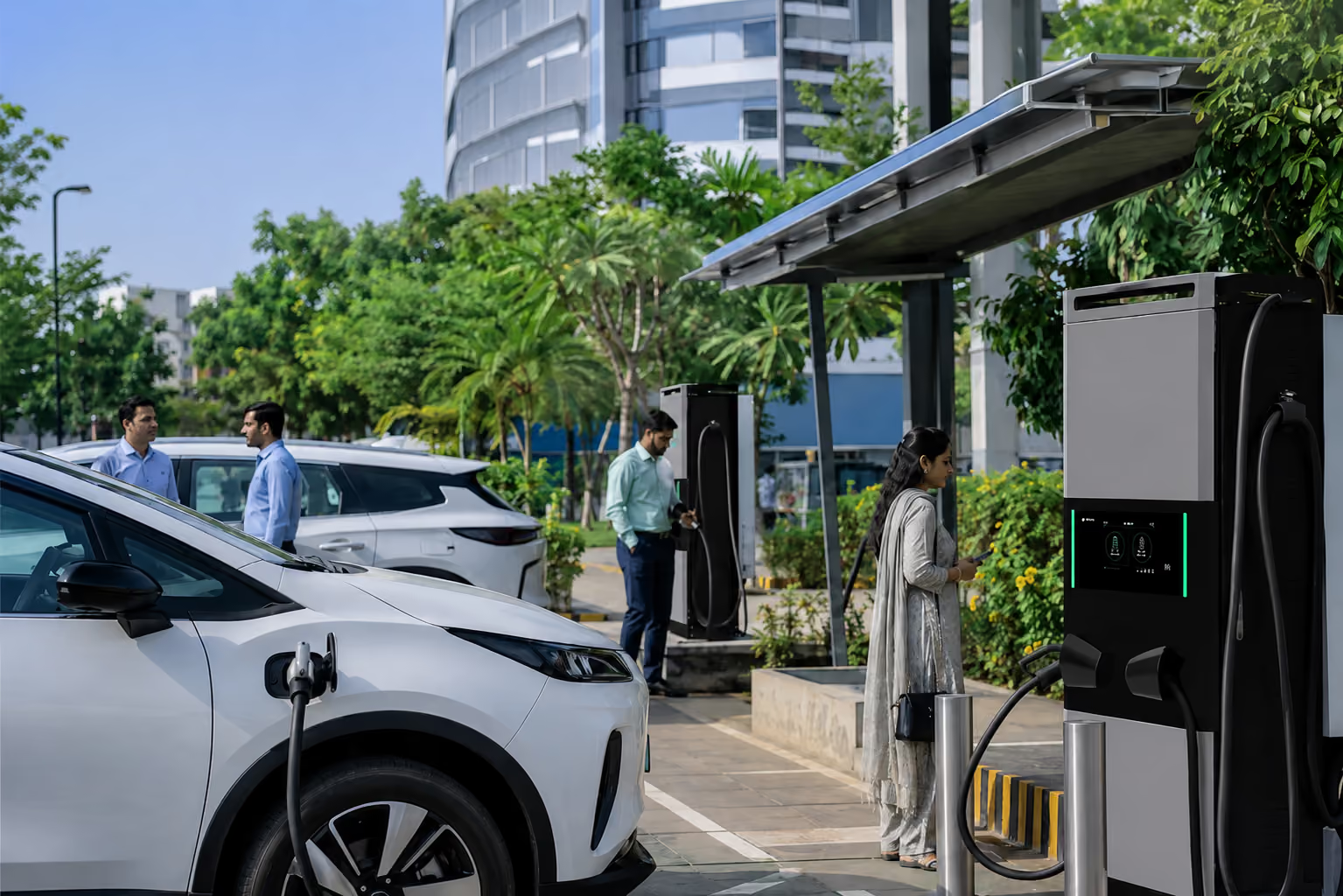
Infrastructure deployment has also benefited from regulatory simplification. By classifying EV charging as a de-licensed activity, the Ministry of Power removed a major administrative bottleneck. Defined timelines for grid connections and revenue-sharing land models have improved project viability. These changes have contributed to a rapid increase in public charging stations, which crossed 29,000 by late 2024.
Building byelaws have made home and workplace charging easier
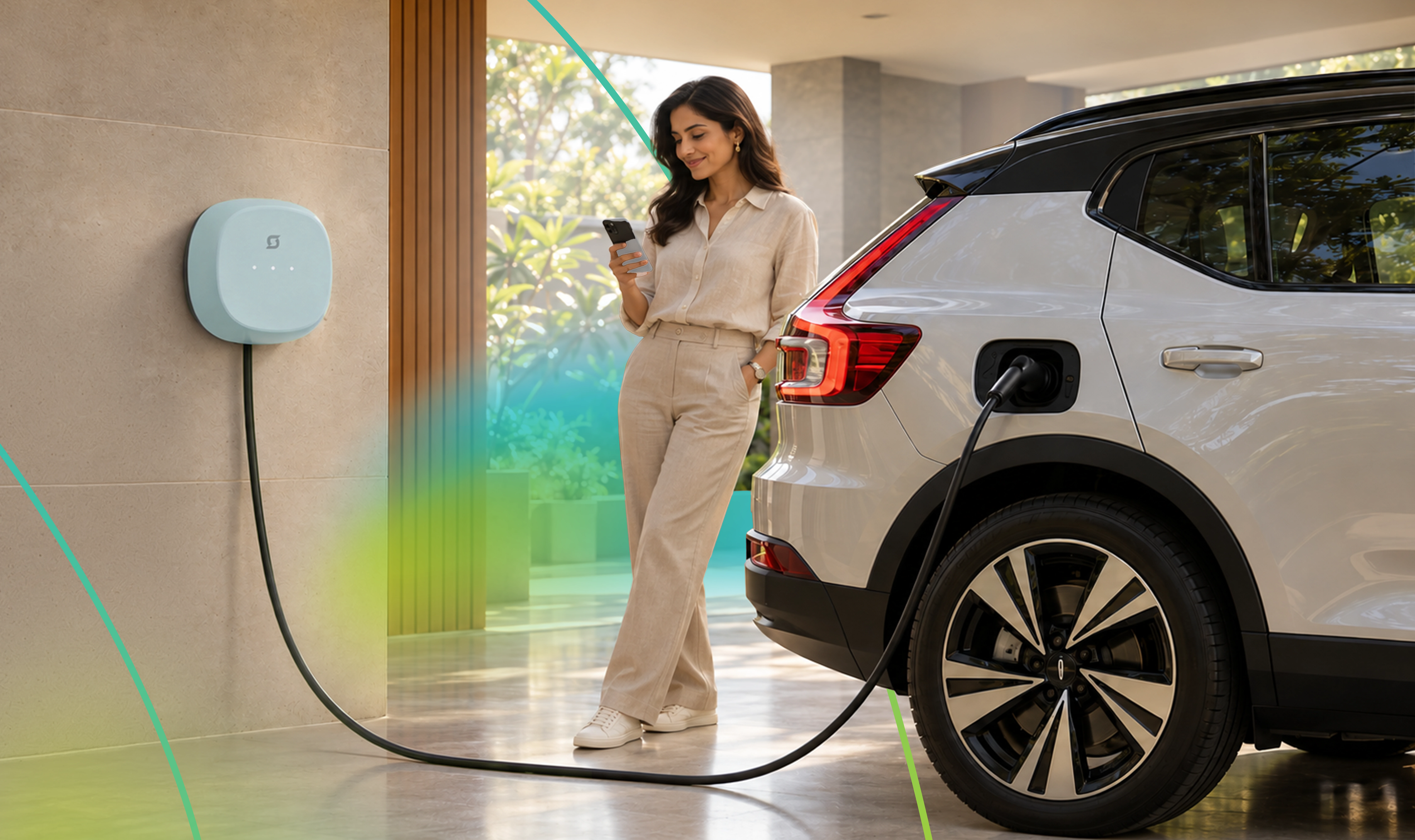
Recognising that most charging happens off-grid, building regulations were updated to mandate EV-ready parking in new developments. Delhi was one of the first states to implement building bye-laws mandating charging facilities and reserved parking spaces, with others following suit. Karnataka now reserves 10% parking spaces for EVs in high rises, and Maharashtra has issued directives to install 1 EV charger for every 5 parking spots.
Here’s a more comprehensive look at EV policies adopted by various states.
State mandates are catering to diverse parts of the EV ecosystem
- Maharashtra EV Policy 2025: Approved with an increased outlay of ₹1,993 crore, this policy targets 30% EV penetration by 2030 and offers buyer subsidies up to ₹1.5 lakh for electric cars, alongside toll waivers on major expressways like the Atal Setu.
- Telangana EV Policy 2024: The state reinstated a 100% exemption on road tax and registration fees for all electric vehicles until December 2026, removing the previous volume cap of 5,000 vehicles to accelerate mass adoption.
- Tamil Nadu EV Policy 2023: Released in February 2023, it extends 100% road tax waivers through December 2025—driving over 1.2 lakh registrations in 2025–26 alone—and offers up to 50% land cost subsidies for EV manufacturing projects in southern districts.
- Karnataka EV Policy (2023–28): Aiming to attract ₹50,000 crore in investments, this revised policy provides a 25% capital subsidy on EV charging equipment and rental subsidies for testing centres to support its existing base of ~2.5 lakh registered EVs.
- Punjab EV Policy: Targeting 25% of new vehicle sales to be electric, the policy offers distinct purchase incentives of up to ₹10,000 for e-2Ws and ₹30,000 for e-autos, plus subsidies for the first 10,000 EV charging stations installed in the state.
- Gujarat (2025 Update): While direct purchase subsidies have concluded, the state introduced a specific road tax exemption (lowered to 1%) valid until March 2026 and continues to offer a 25% capital subsidy for the installation of public EV charging stations.
- EV charging subsidies: The following state governments are currently offering direct capital susbidies on EV charging infrastructure.
- Andra Pradesh
- Assam
- Gujarat
- Karnataka
- Kerala
- Madhya Pradesh
- Maharashtra
- Odisha
- Uttar Pradesh
Gaps remain in the speed of execution
Despite strong policy push, execution on the ground continues to lag. Many EV charging stations are still operating below break-even utilisation, even as the number of EVs on the road keeps rising and a clear shortage of charging points is cited by users. Public charging infrastructure has not expanded at the same pace as vehicle adoption, and grid capacity constraints often slow down or delay high-tension connections. These gaps highlight a familiar challenge: well-designed policies do not always translate into smooth, timely implementation at the local level.
The future depends on stakeholder collaboration
Reaching the 2030 targets will depend less on new policy announcements and more on how well stakeholders work together. Utility-led pilots, common charging standards that allow networks to interoperate, and closer partnerships between corporates and power utilities are already showing promise. As direct government funding begins to level off, the ability of public agencies, utilities, and private players to move in sync will ultimately decide whether India’s EV transition maintains its momentum.
Explore our EV chargers here.
Frequently Asked Questions
Lorem ipsum dolor sit amet, consectetur adipiscing elit, sed do eiusmod tempor incididunt ut labore et dolore magna aliqua. Ut enim ad minim veniam, quis nostrud exercitation ullamco laboris nisi ut aliquip ex ea commodo consequat. Duis aute irure dolor in reprehenderit in voluptate velit esse.
Lorem ipsum dolor sit amet, consectetur adipiscing elit, sed do eiusmod tempor incididunt ut labore et dolore magna aliqua. Ut enim ad minim veniam, quis nostrud exercitation ullamco laboris nisi ut aliquip ex ea commodo consequat. Duis aute irure dolor in reprehenderit in voluptate velit esse.
Lorem ipsum dolor sit amet, consectetur adipiscing elit, sed do eiusmod tempor incididunt ut labore et dolore magna aliqua. Ut enim ad minim veniam, quis nostrud exercitation ullamco laboris nisi ut aliquip ex ea commodo consequat. Duis aute irure dolor in reprehenderit in voluptate velit esse.
Lorem ipsum dolor sit amet, consectetur adipiscing elit, sed do eiusmod tempor incididunt ut labore et dolore magna aliqua. Ut enim ad minim veniam, quis nostrud exercitation ullamco laboris nisi ut aliquip ex ea commodo consequat. Duis aute irure dolor in reprehenderit in voluptate velit esse.
Lorem ipsum dolor sit amet, consectetur adipiscing elit, sed do eiusmod tempor incididunt ut labore et dolore magna aliqua. Ut enim ad minim veniam, quis nostrud exercitation ullamco laboris nisi ut aliquip ex ea commodo consequat. Duis aute irure dolor in reprehenderit in voluptate velit esse.