



Single Phase vs Three Phase
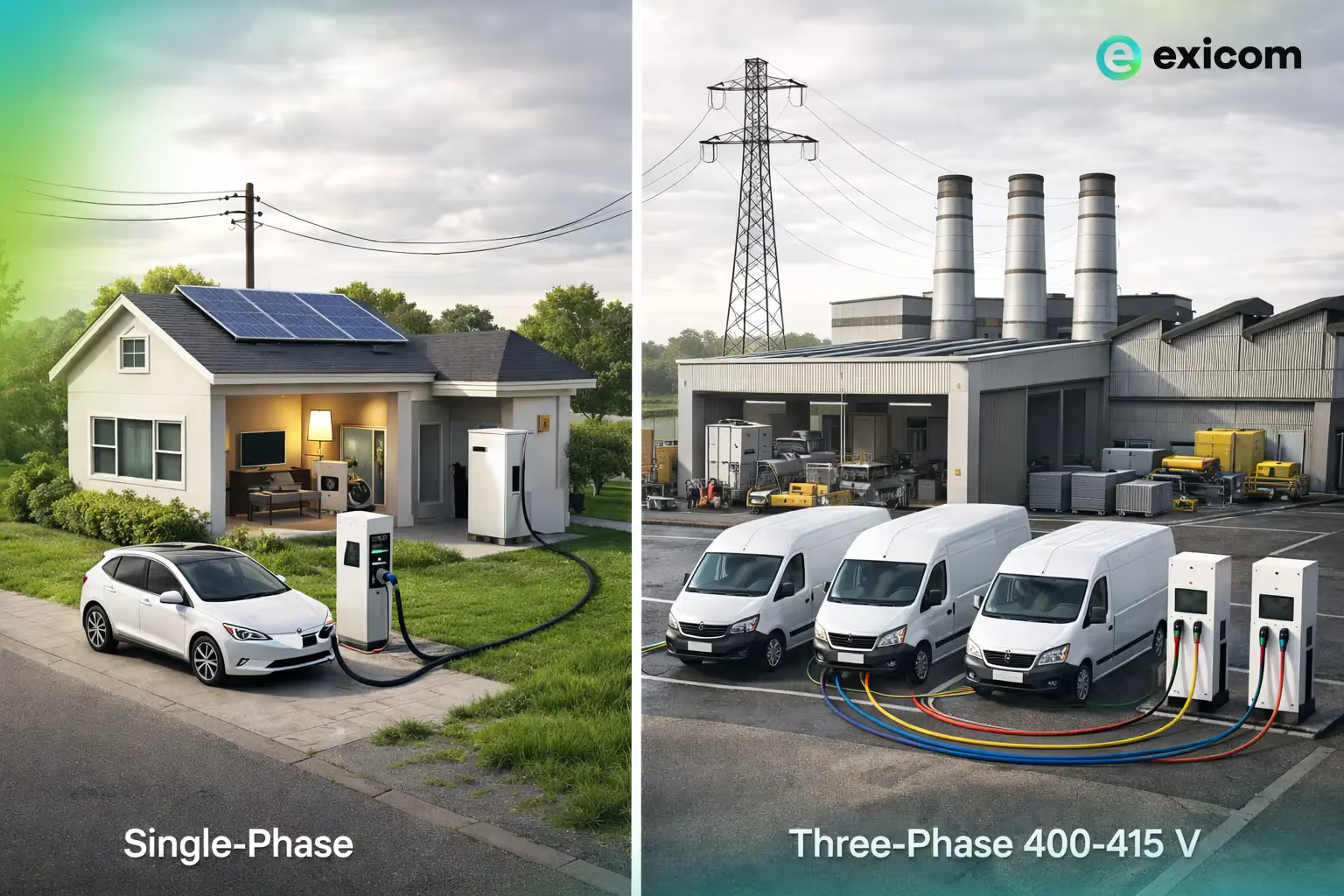
What is a single-phase system?
A single-phase system runs on a single alternating-current waveform. The voltage rises and falls in the same cycle every time. Power flows through a live wire and a neutral. Nothing fancy in the setup.
Because only one phase is present, the power is not steady. It drops slightly during each cycle. Then it rises again. For small loads, this does not matter much. For larger loads, it becomes apparent.
Most homes, small offices, and local shops use single-phase electricity. Everyday appliances depend on it: lights, fans, televisions, refrigerators, and washing machines. The voltage is typically 230 V, which is sufficient for daily use. Not designed for heavy or continuous power demand.
What is a three-phase system?
A three-phase system works differently. It uses three alternating currents instead of one. Each phase is offset from the others. About 120 degrees apart. When one phase weakens, the others continue.
That overlap changes everything. Power does not fall to zero. Energy keeps flowing. The supply stays stable.
Three-phase power is used where demand is high. Factories use it. Hospitals use it. Large offices and malls depend on it. Motors run smoother. Elevators work more efficiently. HVAC systems handle the load better. Voltage between phases is higher. Usually around 400 to 415 volts. This allows more power without overloading the current.
Key Comparison
The key comparisons between single-phase and three-phase EV Chargers are as follows:
What are single-phase and three-phase EV chargers?
Single-phase EV chargers use one phase of the supply. These are common in homes. Charging speed depends on the limited household connection. Larger batteries take longer, sometimes much longer.
This setup works for overnight charging and for regular daily driving; no urgency is involved. Charging power is typically 3.3 kW or 7.4 kW.
Three-phase EV chargers use all three phases. These are installed in commercial places: offices, fleet depots, and public charging stations. Power is shared across phases. Higher output becomes possible. Charging is faster and more stable. Heat buildup is lower. Typical outputs are 11 kW and 22 kW. Designed for frequent use and save time.
What are the pros and cons of single-phase and three-phase?
The pros and cons of single-phase and three-phase are:
Single-Phase Power
Before examining the limitations, it helps to understand where single-phase power works well.
Pros
- Simple system design. Widely available in residential areas.
- Low installation cost, basic wiring and faster setup.
- Easy maintenance and fewer components involved.
- Suitable for everyday use. Works well for lighting and small appliances.
Cons
- Limited power capacity. Not suited for heavy electrical loads.
- Heavy machinery is not practical. Motors struggle under continuous demand.
- Fast EV charging is difficult. Charging speeds remain restricted.
- Fluctuating power output. Motor performance can be affected.
- Limited scalability. Expansion often requires an upgrade to a three-phase supply.
Three-Phase Power
When higher loads and long-term performance matter, three-phase power shows clear advantages.
Pros
- Stable and continuous power delivery. No drop in power during operation.
- High efficiency at higher loads. Energy losses remain lower.
- Smooth motor operation, less vibration, and reduced wear.
- Supports high-power EV charging. Suitable for commercial and fleet use.
- Better long-term scalability. Designed for growing power demand.
Cons
- Higher installation cost. Complex wiring and switchgear.
- More protection requirements. Advanced safety systems are needed.
- Load balancing is required. Uneven loads reduce efficiency.
- Limited residential availability. Utility approvals are often necessary.

