



Electric vehicle supply equipment (EVSE)
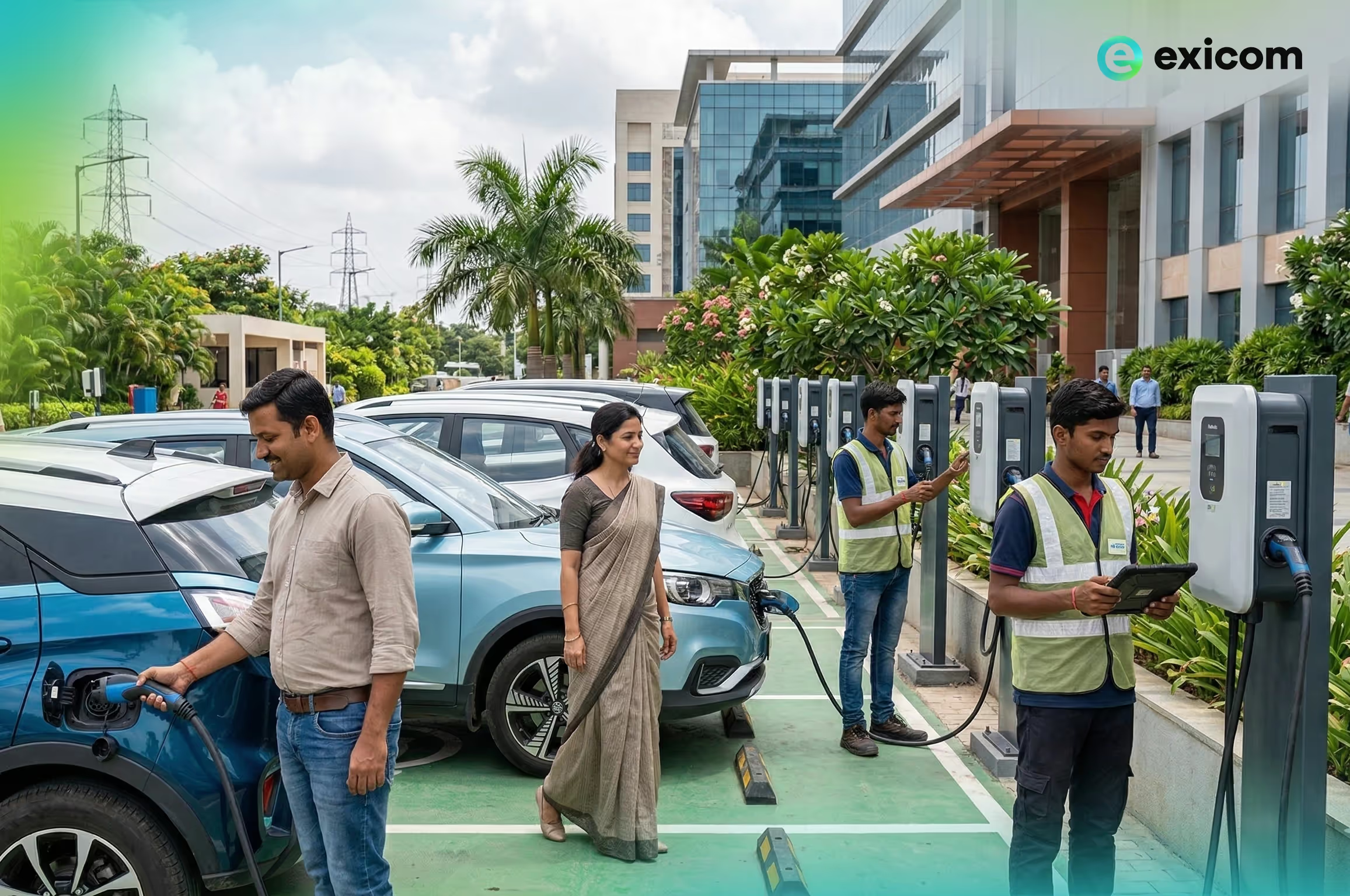
What is Electric Vehicle Supply Equipment (EVSE)?
Electric Vehicle Supply Equipment (EVSE) is the specialized hardware and software system that safely delivers electricity from the power grid to an electric vehicle. Often called a charging station, EVSE includes the internal safety sensors, power electronics, and the J1772 connector or DC plug required to facilitate a secure energy transfer.
Why it Matters: Connecting Reliability to ROI
For B2B stakeholders, the choice of charging infrastructure is a direct driver of business continuity. In commercial real estate or fleet management, every minute a charger is offline represents lost revenue or delayed operations. Investing in high-quality smart EVSE solutions ensures high performance and longevity.
By deploying robust hardware, operators can achieve 99.9% uptime, which limits total downtime to less than 9 hours per year. This reliability is critical for maintaining fleet schedules and meeting the expectations of commercial tenants. Properly engineered EVSE reduces maintenance costs and protects the asset's ROI over a 10-year lifecycle.
Categorization: Components of Modern EVSE
Understanding the technical layers of charging station hardware helps in avoiding incompatible infrastructure and costly deployment delays.
1. Physical Durability and Enclosures
Since most commercial units are located outdoors, they must withstand environmental stress. Look for NEMA or IP ratings such as IP54/IP65 for dust and water protection. Additionally, an IK10 impact resistance rating ensures the equipment can survive heavy physical use or vandalism in public spaces.
2. Connector Standards and Compatibility
Standardization is key to serving multiple vehicle types. The J1772 connector is the industry standard for AC Level 2 charging in many regions. For high-speed applications, DC fast chargers utilize CCS or CHAdeMO standards to deliver scalable power outputs directly to the vehicle's battery.
3. Smart Backend Communication
A "smart" charger must communicate with a management platform. This requires the Open Charge Point Protocol (OCPP 1.6J or 2.0.1). This protocol allows for remote monitoring, automated billing, and load balancing, transforming a simple plug into a manageable business asset.
EVSE Performance & Application Matrix
EVSE Installation Guidelines & Best Practices
To ensure a smooth transition to electric mobility, follow these strategic steps:
- Conduct a Site Load Analysis: Before purchasing, verify that your facility's electrical panel can handle the total kilowatt (kW) load of multiple stations.
- Specify Future-Proof Standards: Only work with commercial EVSE manufacturers that support OCPP protocols. This prevents "vendor lock-in" and allows you to switch software providers later.
- Prioritize Weather Resistance: For outdoor parking, ensure units have a minimum IP54 rating to prevent failure due to rain, snow, or dust.
- Plan for Connectivity: Ensure your installation site has stable Wi-Fi, Ethernet, or 4G/5G cellular signals for real-time data tracking and billing.
The Engineering Edge: Modular Intelligence
Future-ready infrastructure relies on hardware that grows with the user. By utilizing modular design, power components can be easily swapped or upgraded without replacing the entire pedestal. Professional-grade units like the Spin Air or the Harmony Direct 2.0 provide the flexibility needed for rapid scaling.
Furthermore, integrating Remote Diagnostics allows engineers to fix software glitches or reset hardware without a site visit. This proactive approach to charging infrastructure management reduces operational expenses and ensures that your energy delivery remains uninterrupted.

