



DC Blaze
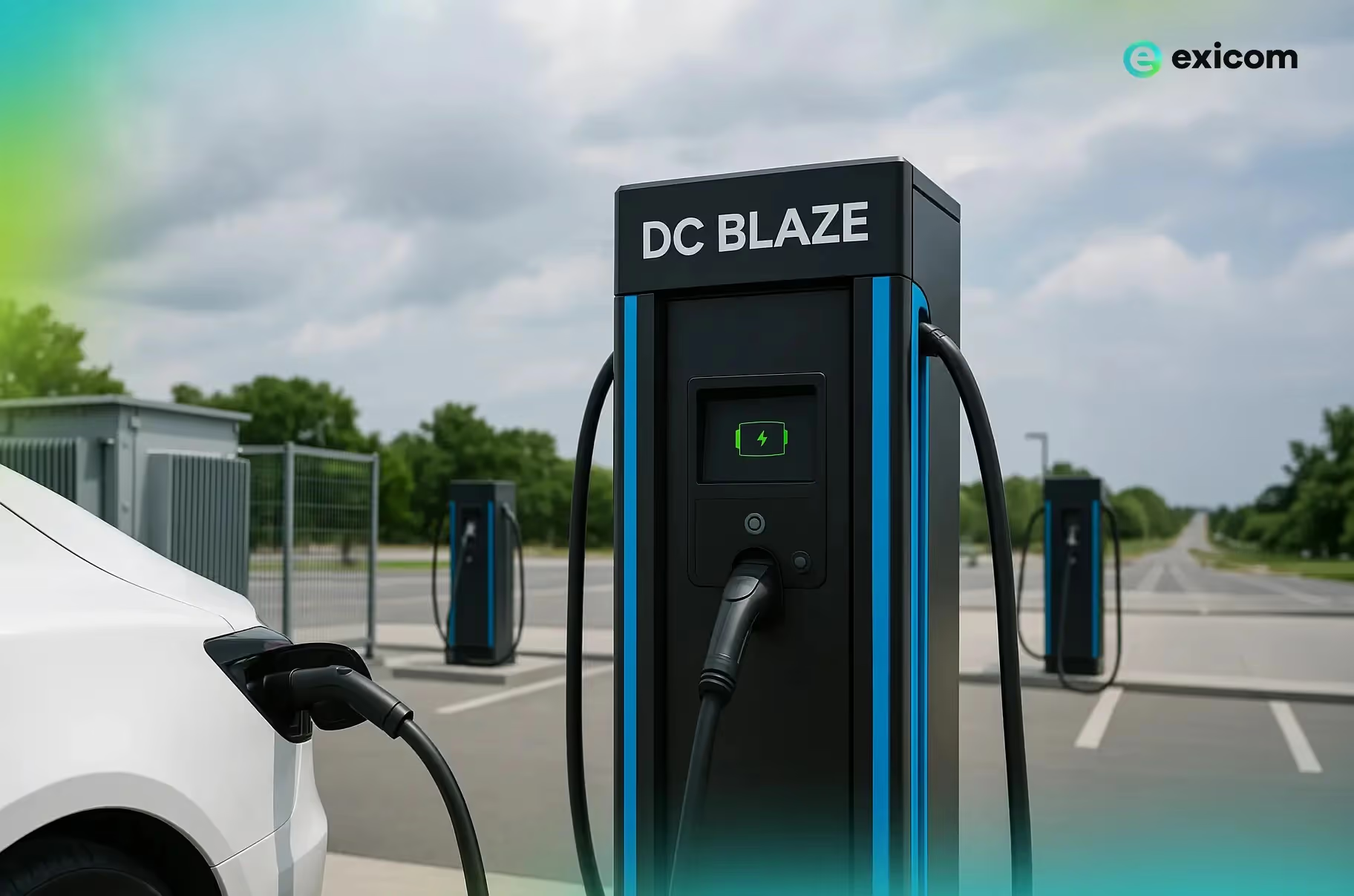
What is DC Blaze?
DC Blaze refers to the next generation of high-power, ultra-fast DC charging infrastructure that is revolutionizing the way electric vehicles are charged. With charging speeds typically between 60kW to 400kW, DC Blaze minimizes dwell time and maximizes vehicle uptime. Unlike traditional AC chargers, which rely on the vehicle’s onboard converter, DC Blaze delivers high-voltage direct current (up to 1000V) directly to the battery, bypassing this bottleneck.
In the context of modern EV infrastructure, Blaze technology is critical for applications where speed is the priority — highway corridors, commercial fleets, and bus depots. It can provide 100–300 km of range in under 15 minutes, making it ideal for fast, efficient, and high-volume charging.
Where is DC Blaze Used?
DC Blaze is strategically deployed in ecosystems focused on last-mile connectivity and light urban mobility. It is the primary infrastructure for e-commerce delivery hubs, e-rickshaw stands, and residential complexes catering to electric scooters. Because it manages lower energy loads, it provides a cost-effective, decentralized charging solution where high-speed highway throughput is not the primary operational requirement.
How Does DC Blaze Technology Work?
DC Blaze chargers are capable of delivering ultra-fast charging by using high-voltage DC to charge the EV's battery directly. This contrasts with traditional AC chargers, where the vehicle must first convert AC power to DC power for the battery. By bypassing this step, DC Blaze reduces charging time and allows for faster turnover at charging stations.
- Voltage Range: Up to 1000V.
- Charging Speed: 60kW to 400kW, providing 100-300 km of range in under 15 minutes.
- Target Vehicles: Primarily commercial fleets, electric buses, and passenger cars on highway corridors.
DC Blaze vs Low-Voltage DC Charging (3kW – 12kW)
While DC Blaze is designed for high-speed charging, Low-Voltage DC Charging (3kW – 12kW) operates at much lower power and is intended for 2-wheelers (2W) and 3-wheelers (3W), such as scooters, e-rickshaws, and small electric vehicles.
Limitations of Low-Voltage DC Chargers for Passenger Vehicles
Low-voltage DC chargers (3kW–12kW) are not suitable for modern passenger vehicles (e.g., Nexon EV, Hyundai Ioniq 5) due to:
- Incompatible Voltage: These vehicles require 300V–800V architecture, which cannot be powered by a low-voltage charger.
- Insufficient Speed: A 12kW charger would take 4–6 hours to charge a typical electric SUV, which contradicts the purpose of a "fast charger."
Conclusion
If your primary focus is charging e-scooters or e-rickshaws, low-voltage DC chargers are appropriate. However, for businesses targeting electric passenger vehicles or operating in commercial charging hubs and highway corridors, Exicom Harmony offers the speed, reliability, and high voltage needed for profitability.

